Heating installation is a critical process that ensures your home remains warm and comfortable during colder months. It involves selecting the right system based on your needs and properly installing it to maximize efficiency. Throughout this article, we will explore the different facets of heating installation, from system selection to post-installation maintenance.
Understanding the intricacies of each step is vital for homeowners looking to invest in a reliable heating solution. By the end of this article, readers will have a comprehensive understanding of how heating installations are done and why they are essential.
1. What are the Types of Heating Systems?
Heating systems come in a variety of types, each with its own set of advantages and disadvantages. Central heating systems, for instance, are one of the most popular choices due to their ability to evenly distribute heat throughout a home. These systems often include options like furnaces, boilers, and heat pumps, each serving different needs and preferences. Radiant heating systems offer another alternative, providing warmth through heated floors or panels in walls and ceilings. Selecting the right type of heating system depends on factors such as climate, home size, and energy efficiency preferences.
Forced air systems are among the most common and work by using ducts to spread warm air throughout the home. These systems are typically less expensive to install and maintain than other types, making them an attractive option for many homeowners. However, they can cause issues with air quality if not properly maintained, as ducts can harbor dust and allergens. Heat distribution can also be uneven, especially in larger homes with complex layouts. Consumers need to weigh these pros and cons when considering a forced air system.
In contrast, hydronic heating systems use water to conduct heat through baseboards or radiators. While often more expensive, they provide a consistent and efficient heat source, ideal for those willing to invest in the upfront costs. Radiant floor heating is another hydronic option, hailed for its energy efficiency and comfort levels. These systems can take longer to heat rooms due to the nature of water conduction, but they maintain warmth effectively. As with any decision regarding infrastructure, careful planning and consideration of future needs are crucial when selecting a heating system.
2. How to Prepare for a Heating Installation?
Preparing for heating installation starts with a thorough evaluation of your current system and your home’s heating needs. Homeowners should begin by consulting with an HVAC professional who can assess the compatibility of potential new systems with their existing infrastructure. Budgeting is another important part of preparation, as costs can vary widely based on the type and complexity of the system chosen. Home inspections to identify any necessary repairs or modifications—such as duct cleaning or sealing—are also crucial. Taking these steps ensures a smoother installation process with fewer unexpected disruptions.
Prior to installation, achieving proper permits and adhering to any local regulations is essential. Depending on where you live, specific codes and guidelines need to be followed to ensure safety and compliance. Working with a certified professional familiar with these requirements can save time and prevent potential legal issues. It’s important to schedule installations during periods that minimize discomfort, such as shoulder seasons when the demand for heating is lower. Making provisions for temporary heating solutions can also help avoid inconvenience without a functional heating system during the transition.
Preparation also includes readying the installation site, ensuring that the area is free of any obstructions that could interfere with work. Removing clutter or furniture can expedite the process and create a safer environment for technicians. Understanding the timeline for installation will also help set realistic expectations for homeowners. Communication with the installation team about any concerns or specific requirements helps ensure all parties are aligned. Proper preparation enhances the efficiency of the installation and helps avoid costly adjustments after the fact.
3. What to Expect During the Heating Installation Process?
The heating installation process begins with the removal of the old system, which involves detaching the current unit from its connections and safely disposing of it. Technicians typically start by disassembling any components, such as ducts and vents that need replacing or modifying. This initial phase requires care and precision because improper removal can affect the new system’s installation. Assessing the existing infrastructure for issues like duct leakage is important to optimize the new system’s performance. During this period, homeowners may experience short-term disruptions until the new heating system is fully operational.
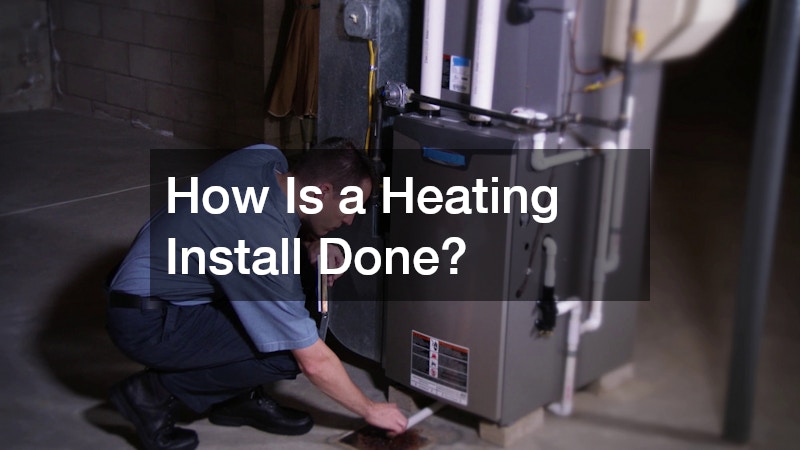
Following removal, the new heating unit is installed, starting with the placement and securing of the main system. Technicians meticulously attach ducts, electrical wires, and plumbing connections to ensure everything is aligned correctly. This is followed by installing thermostats and any additional control systems tailored to enhance efficiency and customization. Depending on the complexity of the setup, this stage may take several hours to days to complete fully. Homeowners should be present during this stage to address any last-minute changes or preferences that emerge.
Once the physical installation is complete, the testing phase begins, confirming that all components are functioning as intended. Technicians inspect the system for safety, performance, and compliance with manufacturer specifications and local codes. Adjustments are made to ensure optimal airflow, heat distribution, and efficiency. Detailed instructions on operating the new system and maintaining it are also provided to the homeowner. This comprehensive testing and handover process is crucial for long-term satisfaction and reliability of the heating system.
4. What are the Common Challenges in Heating Installation?
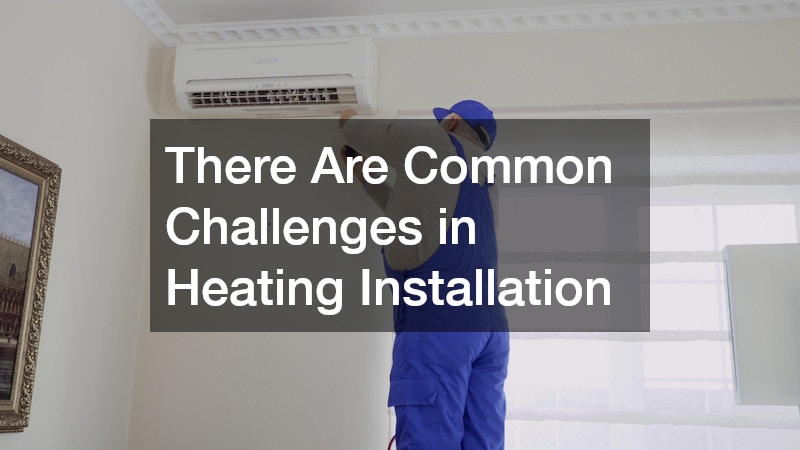
One common challenge in heating installation is incompatibility with existing structures, which may require additional work to ensure proper fitting and operation. This can involve upgrading electrical systems, resizing ductwork, or enhancing ventilation to meet modern standards. Such adjustments can incur unexpected costs and extend the installation timeline. Additionally, complex home layouts may pose logistical challenges for technicians attempting to install ducts or proper venting. Planning and detailed evaluations beforehand can help mitigate these issues.
Another frequent issue is the discovery of pre-existing damage or wear in older systems that have gone unnoticed. Corroded pipes, leaky ducts, or inadequate insulation can disrupt the smooth integration of a new heating system. Resolving these issues can require further investment in new components and additional labor costs. To avoid escalations, thorough inspections before installation are key. Conducting regular maintenance checks ahead of time might identify potential issues and prevent more severe problems during the installation.
Finally, incorrect sizing of heating systems for a specific home’s needs can lead to inefficiency and uneven heating. If a system is too large, it can cycle on and off too quickly, never achieving proper humidity levels and resulting in wasted energy. On the other hand, an undersized system cannot maintain the desired temperature during peak cold, leading to increased stress on the system. Accurate load calculations and professional consultations are crucial to find the appropriately sized system that matches the home’s layout and family’s heating needs.
5. How to Maintain Your Heating System Post-Installation?
Post-installation, regular maintenance is essential to preserve your heating system’s efficiency and longevity. This includes scheduling annual inspections with a certified HVAC professional to detect any issues early. Routine tasks such as changing air filters every 1-3 months, depending on usage and air quality, play a significant role in efficient system operation. Dust and debris buildup can obstruct airflow, decrease efficiency, and elevate energy costs. Homeowners should also regularly inspect visible components for signs of wear or corrosion.
Beyond inspections, ensuring the area around the heating system remains clear is vital, allowing proper air circulation and preventing fire hazards. It’s also important to check the system’s exterior components, like flues and vents, for blockages from debris or nesting animals. Energy efficiency can further be boosted by installing programmable thermostats to optimize heating schedules based on lifestyle patterns. These devices offer better control over indoor environments and can translate into cost savings over time.
Educating household members on proper thermostat settings and energy-saving practices contributes significantly to maintaining system health. Encouraging everyone to reset temperatures during away periods or nighttime can prevent unnecessary strain on the heating unit. Staying informed on warranty details and sticking to recommended service schedules are also fundamental for maintaining coverage. Overall, a proactive approach to maintenance not only enhances comfort but also helps avoid costly repairs and ensure the efficient operation of heating systems for years.
A correctly installed and maintained heating system offers invaluable comfort, especially during the winter months, while reducing energy costs and extending equipment lifespan. Selecting the right type of heating system, understanding the preparation needed for installation, and addressing any challenges that arise, are major determinants of a successful install. Post-installation maintenance ensures your investment continues to serve you well, delivering warmth efficiently and sustainably. By staying informed and proactive, homeowners can enjoy the full benefits of their heating systems. Ultimately, this careful approach to heating installations guarantees peace of mind and environmental benefits as energy efficiency is maximized.