
Owning a home can feel expensive even when nothing major is going wrong. There is always something to tighten, clean, patch, inspect, replace, or plan for. The challenge is not only keeping up with repairs, but knowing which ones actually matter and which ones can wait.
For homeowners on a budget, smart maintenance is less about doing everything at once and more about paying attention early. Small problems usually give warning signs before they become costly. A slow leak, a drafty room, a weak airflow, or a soft spot near a wall may seem minor at first, but these issues can become much more expensive when ignored.
The good news is that many home maintenance decisions come down to timing, prevention, and careful prioritizing. You do not need an unlimited budget to protect your home. You need a practical plan, a willingness to inspect things regularly, and a clear sense of when a professional repair is worth the cost.
Assess Your Home and Tackle High-Priority Repairs First

The best place to start is with a simple walk-through of your home. Do not begin by thinking about dream upgrades or cosmetic improvements. Begin with the things that affect safety, water control, air quality, and the structure of the home. Those are the areas where delayed maintenance often becomes expensive.
Walk through the home slowly, room by room. Look under sinks, around toilets, near windows, behind appliances, and along ceilings. Outside, check gutters, downspouts, siding, foundation edges, vents, steps, and walkways. Bring a notebook or use your phone to make a short list. The goal is not to fix everything in one weekend. The goal is to understand what needs attention first.
For example, clogged drains may seem like a small annoyance, but repeated slow drainage can point to buildup, pipe issues, or improper use of plumbing fixtures. A one-time blockage may be manageable with basic care, but recurring problems deserve closer attention before they turn into leaks, backups, or damaged flooring.
Heating and cooling should also be checked early. If certain rooms feel uncomfortable, vents are weak, or energy bills keep climbing without a clear reason, it may be time to schedule service with an HVAC company. Preventive maintenance is usually far cheaper than replacing a system after it fails during extreme heat or cold.
A useful way to sort home repairs is by urgency:
- Safety issues, such as electrical hazards, unstable steps, or gas concerns
- Water problems, including leaks, drainage issues, and moisture stains
- System performance, such as heating, cooling, plumbing, and ventilation
- Exterior protection, including roof, gutters, siding, and grading
- Cosmetic improvements that can wait without causing damage
This order helps you avoid spending money on appearance while hidden problems grow. A freshly painted bathroom will not matter much if moisture is damaging the wall behind it. New flooring loses its value if a leak ruins it six months later. Budget-conscious maintenance means putting money where it protects the home most.
Improve Moisture Protection Before Damage Spreads
Water is one of the most expensive forces inside a home. It does not need a dramatic flood to cause trouble. A small drip behind a wall, a loose seal around a window, or poor ventilation in a damp room can create damage slowly. By the time stains, odors, or soft drywall appear, the repair may already be larger than expected.
Moisture protection starts with observation. After a heavy rain, walk around your home and look for wet spots, pooling water, or damp trim. Inside, pay attention to musty smells, peeling paint, swollen baseboards, and condensation that does not clear quickly. These signs are easy to overlook because they often appear gradually.
Older windows deserve special attention. Gaps, cracked caulking, failed seals, and soft frames can allow drafts and moisture into the home. Professional window services may be worth considering when repairs go beyond simple sealing or when energy loss becomes noticeable. Sometimes a targeted repair is enough. Other times, replacement may be the better long-term choice, especially if water is reaching the surrounding wall.
Bathrooms are another high-risk area because they combine plumbing, humidity, tile, grout, caulk, and ventilation in one small space. If you see loose tiles, persistent mildew, soft flooring, or stains near the tub or shower, do not assume it is only cosmetic. A bathroom contractor can help determine whether the issue is surface-level or tied to hidden moisture damage.
A practical homeowner can still handle plenty of basic prevention. Replacing worn caulk, running the exhaust fan during and after showers, keeping grout sealed, and wiping up standing water all help reduce risk. The key is consistency. Moisture problems rarely become serious overnight. They build slowly when small warning signs are ignored.
Picture a homeowner who notices paint bubbling near a bathroom window but decides to wait because the room still looks fine. Months later, the trim softens, the drywall stains, and the repair involves more than paint. That is the kind of budget mistake preventive maintenance helps avoid.
Refresh Key Living Spaces Without Overspending
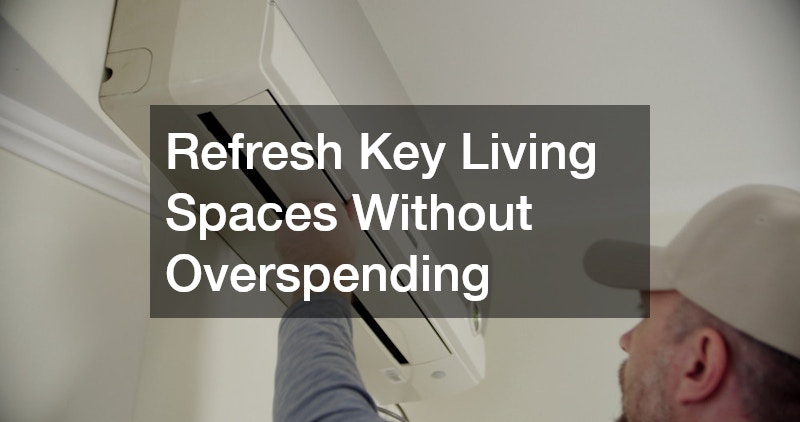
Not every improvement needs to be a full renovation. In fact, many budget-conscious homeowners get better results by improving one or two high-impact features instead of tearing everything out. Kitchens and bathrooms are often the most tempting places to spend, but they are also where costs can rise quickly.
Before starting any upgrade, ask what problem you are trying to solve. Is the space outdated, hard to clean, damaged, poorly arranged, or simply not your style? Each answer leads to a different budget decision. A worn vanity may need replacement. A dull room may only need paint, lighting, and hardware. A stained surface may be cleaned, refinished, or repaired instead of replaced.
Working with a bathroom remodeler can be helpful when you need a realistic plan rather than a guess. A good professional can explain what is worth changing now, what can wait, and which choices may cause extra labor. Moving plumbing, replacing tile, or changing the layout can increase costs quickly. Keeping the same general footprint often saves money.
In kitchens, material choices matter. Granite countertops can offer durability and long-term value, but they should be considered as part of the whole budget, not as a standalone splurge. If cabinets are failing or plumbing needs attention, putting most of the budget into one surface may not be wise. On the other hand, if the layout works and the cabinets are solid, upgrading the counters may refresh the room without a full remodel.
A smart refresh might include:
- Painting walls in a washable finish
- Replacing outdated cabinet hardware
- Updating light fixtures
- Repairing damaged grout or caulk
- Installing a new faucet
- Replacing only the most worn surface
- Keeping plumbing and electrical locations unchanged
The goal is not to make the home look brand new at any cost. The goal is to make it cleaner, more functional, and easier to maintain without creating unnecessary debt. A well-planned small upgrade often feels better than a half-finished major project.
Maintain Outdoor Areas to Prevent Expensive Repairs
Many costly home repairs begin outside. Poor drainage can affect the foundation. Overgrown shrubs can trap moisture against siding. Tree limbs can scrape roofing. Soil can slope toward the house and send water where it should not go. These issues are easy to miss because they sit outside daily routines.
Start by watching how water moves around your property. The next time it rains, notice where water collects. It should move away from the home, not sit near the foundation. Downspouts should release water far enough from the house, and gutters should not overflow. If mulch, soil, or landscaping beds are built too high against siding, they can hold moisture and invite rot or pests.
A landscaper can help with grading, drainage-friendly planting, and maintenance plans that reduce future problems. This does not mean you need an expensive yard redesign. Sometimes the most valuable work is practical: trimming back growth, improving soil slope, choosing lower-maintenance plants, or creating better water flow.
Property boundaries also matter when planning outdoor improvements. If you want to add a fence, retaining wall, driveway extension, shed, or major planting area, a land surveyor may help prevent disputes or costly mistakes. Guessing where a property line sits can lead to trouble, especially if a neighbor later challenges the placement.
Outdoor maintenance is also about restraint. Budget-conscious homeowners can lose money by planting too much, building too fast, or choosing materials that require constant upkeep. A smaller outdoor project done correctly is often more valuable than a large project that creates drainage issues or maintenance headaches.
Think of the yard as part of the home’s protective system. Gutters, soil, plants, walkways, and grading all influence how water and wear affect the structure. When outdoor areas are maintained with that in mind, they do more than look nice. They help prevent future repair bills.
Keep Essential Home Systems Running Efficiently
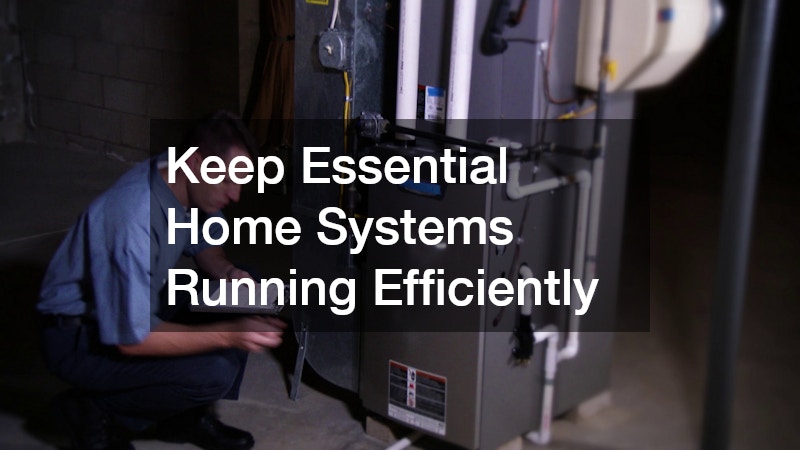
Every home has systems that are easy to forget until something goes wrong. Wastewater, structural supports, railings, gates, mechanical equipment, and utility connections all need occasional attention. The difficult part is that many of these systems are not visible every day, so homeowners may delay maintenance until there is an emergency.
If your home uses a septic system, routine septic pumping should be treated as planned maintenance, not an optional expense. Waiting until there is a backup, odor, or drainage failure can lead to far more expensive repairs. The right schedule depends on household size, tank size, and usage, but the important point is to plan ahead instead of reacting to a problem.
Metal features around the home also deserve occasional inspection. Railings, gates, brackets, stairs, and supports can loosen, rust, or crack over time. In some cases, welding may be needed to restore strength instead of replacing the entire piece. This is especially important for safety-related items such as handrails or exterior stairs.
A practical approach is to create a “hidden systems” checklist. Review it once or twice a year and include items that do not always show obvious problems:
- Wastewater system care
- Sump pump operation
- Exterior railings and steps
- Garage door hardware
- Water heater condition
- Utility connections
- Attic and crawl space ventilation
- Signs of rust, movement, or unusual noise
The value of this checklist is that it helps you notice early changes. A railing that wiggles slightly today may be simple to repair. A pump that sounds different may need service before it quits. A small rust spot may be controlled before the material weakens.
Budget-conscious maintenance is not about doing all repairs yourself. It is about knowing where prevention saves money and where professional work protects safety. Some repairs are worth paying for because the cost of failure is much higher.
Build a Long-Term Maintenance Plan That Saves Money
A home maintenance plan does not have to be complicated. The best plans are simple enough to follow. Many homeowners start with good intentions, then stop because the list feels too long. Instead of creating a perfect system, create a usable one.
Begin with four seasonal checkups. In spring, focus on exterior damage, drainage, roof edges, and yard cleanup. In summer, look at cooling performance, outdoor water use, pests, and paint or siding concerns. In fall, prepare for colder weather by checking seals, heating, gutters, and safety devices. In winter, monitor indoor humidity, plumbing risks, drafts, and any signs of stress from storms or freezing temperatures.
Then create a small monthly habit. Choose one hour each month to inspect something specific. January might be under-sink plumbing. February might be filters and vents. March might be windows and doors. The exact order matters less than the habit itself.
It also helps to keep a repair record. Save receipts, write down dates, and take photos before and after repairs. This gives you a clearer sense of what has been done and what keeps recurring. If the same issue returns several times, it may be a sign that a deeper repair is needed.
When money is tight, use a three-part budgeting system:
- Immediate repairs for problems that are active or unsafe
- Preventive maintenance for items likely to become expensive if ignored
- Planned upgrades for comfort, appearance, or convenience
This keeps upgrades from swallowing the money needed for repairs. It also reduces the stress of surprise expenses because you are already thinking ahead.
Homeowners should also learn the difference between cheap and cost-effective. Cheap work may solve the visible problem for a few weeks. Cost-effective work solves the real problem at a fair price. Sometimes that means choosing a simple repair. Sometimes it means paying more now to avoid paying twice later.
Protect Your Home by Staying Consistent
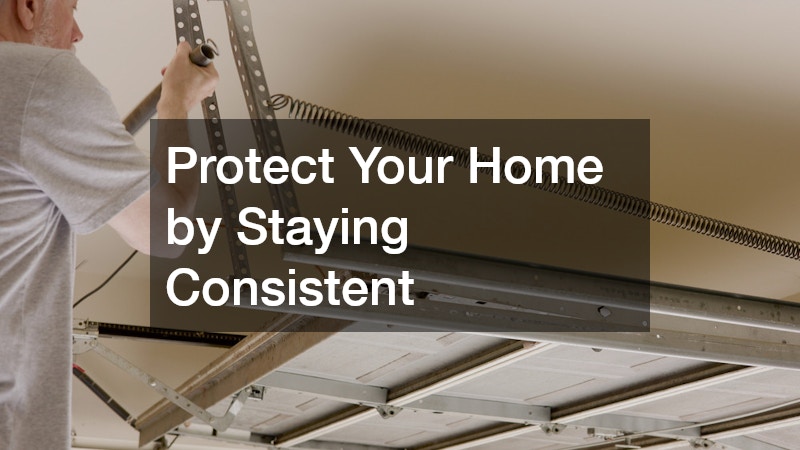
The most affordable home repair strategy is consistency. A homeowner who checks, cleans, seals, trims, services, and repairs small issues regularly will usually spend less over time than someone who waits for emergencies. Maintenance does not need to be dramatic to be effective. In many cases, the quiet tasks matter most.
Budget-conscious homeowners do not have to fix everything immediately or choose the most expensive option. They simply need to stay aware, prioritize wisely, and act before small problems become major damage. A practical plan makes the home safer, more efficient, and more comfortable while keeping costs easier to manage.
The best time to protect a home is before something breaks. With steady attention and smart decisions, homeowners can preserve their property, reduce surprise expenses, and feel more confident about every repair dollar they spend.