The roof is an essential part of your home, often regarded as your first line of defense against the elements. Even if it appears to be in good condition, many underlying issues can go unnoticed without regular inspections. Understanding the importance of these inspections can save homeowners both time and money on roofing repair. Many people mistakenly believe that if their roof looks intact from the outside, it must be in good shape overall.
However, this assumption can lead to overlooking critical maintenance tasks that ensure the long-term durability of the roofing system. By incorporating routine inspections into your home maintenance schedule, you can spot potential problems early and handle them before they escalate into more serious issues.
How Often Should You Inspect Your Roof?
Regular inspections can prevent minor issues from escalating into major repairs. The frequency of inspections may vary based on factors such as the age of the roof, weather conditions, and recent events such as storms. Recommendations range from biannual inspections to more frequent checks after severe weather. Homeowners living in regions prone to severe weather, such as heavy rains, hurricanes, or snowstorms, should consider conducting inspections more frequently to ensure the roof is resilient against harsh environmental conditions. Moreover, roofs that are several decades old may require closer scrutiny because older materials can wear down faster and become more susceptible to leaks and structural damage.
Biannual inspections are generally sufficient for most residential roofs, allowing homeowners to catch any emerging issues in the spring and fall before they evolve into bigger problems. Seasonal temperature changes can cause expansion and contraction of roofing materials, leading to cracks or loosening of seals over time. By inspecting the roof during these transitions, homeowners can address small defects promptly, preventing water from seeping beneath the roofing surface. Besides planned biannual inspections, it’s important to assess the roof after unusual weather events such as hailstorms or high winds to identify any immediate damage that needs attention.
What Are the Signs Your Roof Might Need Attention?
There are several signs that suggest a roof might need maintenance or repairs, including missing shingles, granule loss, water stains on interior ceilings, and sagging. These indicators, even if minor, can compromise the roof’s integrity over time and result in costly repairs. Missing or cracked shingles not only affect the roof’s aesthetic appeal but also leave underlying materials exposed to the elements, which can accelerate wear and contribute to leaks. Granule loss, often visible in gutters or on the ground, is another warning sign that the asphalt shingles are wearing out and may need replacement to ensure continued protection.
In addition to these visible indicators, other less obvious signs may also point to roofing issues that require inspection. For instance, fluctuating temperatures and humidity levels in the attic can suggest inadequate ventilation, which merits further investigation to prevent the deterioration of materials and ensure energy efficiency in the home. Increased pest activity can indicate that there are openings or weaknesses in the roof that allow unwanted guests inside. Monitoring these subtle warning signs alongside regular inspections can help homeowners maintain a strong, durable roof that effectively protects their home.
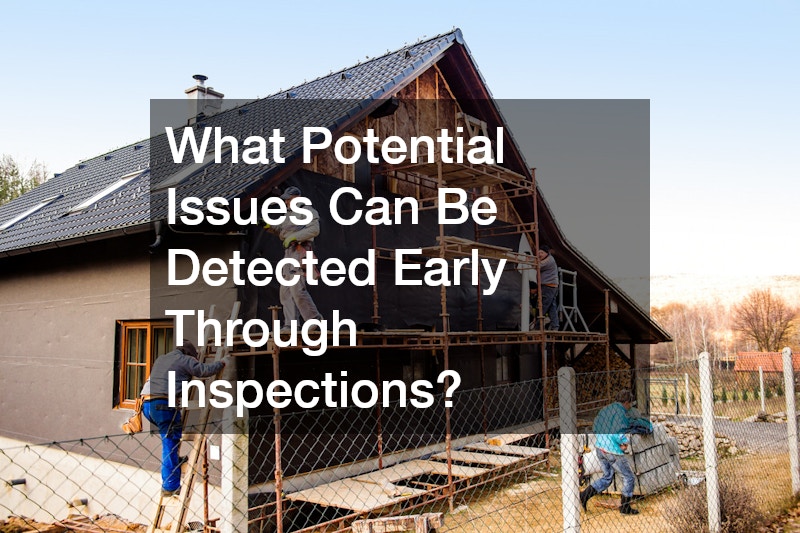
What Potential Issues Can Be Detected Early Through Inspections?
Regular roof inspections can uncover hidden issues such as leaks, mold growth, structural damage, or faulty flashing. Early detection of these problems ensures that they can be addressed promptly, preventing more extensive damage and maintaining the overall health of your roof. Leaks, in particular, can be especially insidious, as they often develop in areas that are difficult to access and may not manifest visibly until significant damage has occurred. Regular inspections help identify these leaks before they cause serious harm to the interior components of the house.
While your roof may look fine from the ground, it’s easy to overlook the subtle signs of wear and tear. Regular inspections are crucial for maintaining your roof’s condition, increasing its lifespan, and protecting your home. Don’t wait for noticeable damage before acting; invest in a proactive approach to roof maintenance. By scheduling regular inspections and addressing any emerging issues promptly, homeowners can avoid costly repairs and enhance their home’s overall safety and value. Ultimately, a well-maintained roof is a crucial investment that pays dividends in longevity and peace of mind, ensuring that your home remains a secure and comfortable haven.