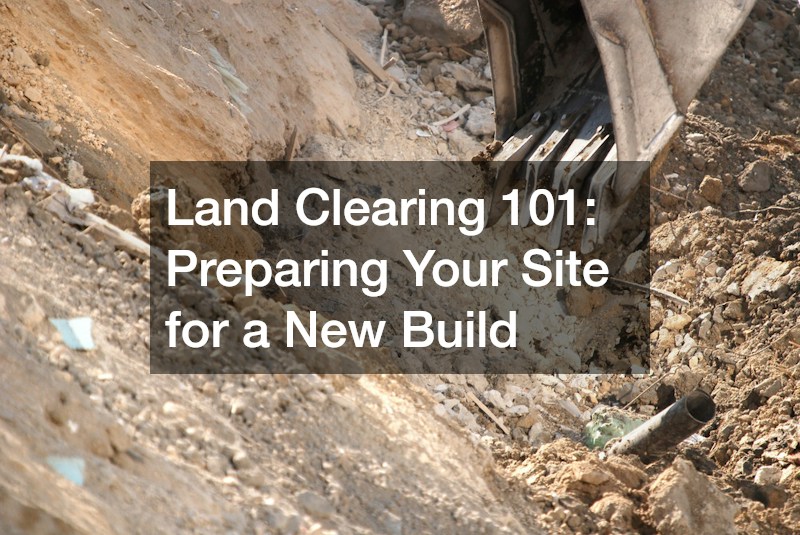
Embarking on a new construction project can be both thrilling and daunting. A crucial first step in this process is land clearing, which lays the foundation for successful building. Without proper land clearing, construction plans may face unforeseen challenges that can delay progress or increase costs.
Understanding Land Clearing
Land clearing involves the removal of trees, shrubs, stumps, and debris from a plot of land to make it suitable for construction. It is a comprehensive process that not only focuses on vegetation removal but also ensures the land is level and stable for the foundation. Depending on the size of the project, the process may require sophisticated machinery or manual labor to prepare the site adequately.
The primary goal of land clearing is to create a clean and safe workspace. This preparation is crucial for the subsequent phases of construction, where precision and stability hold paramount importance. It ensures that the soil can support the weight of the structure and that no surprises occur as construction progresses.
Effective land clearing also involves addressing potential drainage issues. Understanding how water naturally flows over a site is vital to preventing future water accumulation problems, which can lead to structural damage or erosion. This step requires careful planning and execution to ensure a lasting and safe build environment.
The Land Clearing Process
The process typically begins with an initial assessment of the site. This involves a detailed survey to plan which areas require clearing and to identify any special features that should be preserved. Such a survey also considers local zoning laws and environmental protection regulations to ensure compliance.
After the site assessment, strategic planning is key. This includes deciding on the methods and machinery to use, such as bulldozers, excavators, or chainsaws, depending on the density of the vegetation and the size of the land. For many projects, hiring professionals with expertise in land clearing is advisable, as they are equipped with the necessary tools and knowledge to handle large and potentially hazardous sites safely.
Once planning is complete, the actual clearing can begin. This step not only involves the physical removal of vegetation but also the disposal of this debris according to environmental guidelines. Some of the cleared organic materials can be recycled or repurposed for other uses, contributing to sustainability goals.
Challenges and Considerations
Land clearing is not without its challenges. One of the major considerations is the environmental impact. Clearing too much land or disturbing soil structure can lead to erosion and loss of native plants and wildlife habitats. Therefore, it’s crucial to clear only what is necessary and to implement erosion control measures.
Land clearing may uncover obstacles such as buried hazardous materials, uneven terrain, or rock formations that can complicate construction. Identifying these potential problems early through proper site assessment can save time and resources. Excavation and grading may be required to address these challenges, ensuring a stable base for construction.
Weather can also pose a significant challenge during land clearing. Rain or snow can make the ground challenging to navigate and may delay the clearing process. Planning with weather forecasts and being prepared to adjust schedules is important to maintain the project timeline.
Efficiency and Safety Tips
Efficiency is key in any land clearing operation. Utilizing the right equipment and experienced personnel can dramatically speed up the process while ensuring safety. Regular maintenance of machinery ensures that it operates at peak efficiency and reduces the risk of accidents.
Worker safety is paramount during land clearing. Providing protective gear such as helmets, gloves, and safety boots is essential. Additionally, clear communication and understanding of operating procedures among all workers can prevent accidents and improve the overall safety of the site.
In terms of sustainability, one should aim to minimize waste and consider eco-friendly disposal methods. Recycling materials such as wood and making use of the land-clearing byproducts can contribute to more sustainable construction practices.
Preparing your site through proper land clearing is a fundamental component of any construction project. By understanding the intricacies of this process and addressing challenges proactively, you lay the groundwork for a successful build. A well-cleared site not only ensures your project stays on schedule but also aligns with environmental responsibilities and safety standards.
Land clearing should always be approached with careful planning and execution to guarantee a foundation that’s ready to support the vision of your new build. By maintaining a focus on both efficiency and sustainability, you can contribute positively to both the project’s success and the surrounding environment.