
A home with a large family is rarely quiet for long. Doors open and close all day, laundry runs in steady waves, bathrooms work overtime, and the kitchen may feel like it never fully shuts down. Backpacks land in entryways, sports gear leans against walls, shoes track in mud, and someone is almost always charging a device, taking a shower, making food, or looking for something they forgot upstairs.
That kind of daily life is full and active, but it also puts extra strain on a house. Small issues can appear faster because every system gets used more often. A slow leak may go unnoticed behind the rush of a school morning. A cracked walkway may be stepped over for weeks until someone trips. A loose seal may seem minor until moisture or drafts start causing bigger problems.
The good news is that large families do not need a perfect home maintenance routine. They need a realistic one. Preventing expensive damage is less about doing everything at once and more about noticing small changes early, creating simple habits, and knowing which issues deserve quick attention.
Creating a Monthly Walkthrough Routine

In a large household, damage often starts in the places everyone passes through without thinking: hallways, stairwells, bathrooms, kitchens, mudrooms, and shared living areas. These spaces absorb the most traffic, and they usually show the first signs of wear. A monthly walkthrough helps you catch small problems before they become expensive or unsafe.
Start with the walls. Look for dents behind doors, cracks near corners, stains near ceilings, or soft spots around bathrooms and laundry areas. A small scuff from a backpack is not urgent, but repeated cracking, bubbling paint, or brownish stains may suggest moisture or movement behind the surface. That is when drywall repair becomes more than a cosmetic project. It may be a clue that something else needs attention.
Next, look at the glass surfaces your family uses every day. Windows, sliding doors, mirrors, shower doors, and glass tabletops can develop chips, loose seals, or cracks that busy families learn to ignore. Damaged residential glass is not just unattractive; it can become a safety issue, especially in homes with young children, pets, or crowded bathrooms.
Choose one weekend morning each month and move through the house with your phone. Take photos of anything that looks new or worse than before. If a crack grows, a stain spreads, or a window keeps fogging between panes, you will know it is time to act.
Reducing Water Damage Before It Spreads
Water damage is one of the most frustrating problems for a large family because it can disrupt so much at once. A leak under the kitchen sink affects meals. A toilet backup affects routines. A laundry room problem can quickly become a mountain of dirty clothes. Because big households use more water every day, prevention matters.
Instead of waiting for obvious flooding, pay attention to subtle signs. A faucet that sputters, water pressure that suddenly drops, a toilet that gurgles, or a drain that keeps slowing down may be early warnings. In homes with private water systems, changes in pressure, cloudy water, unusual odors, or a pump that seems to run constantly may indicate the need for well repairs.
Wastewater systems also deserve attention. Large families naturally create more demand through showers, laundry, dishwashing, and toilet use. Regular septic inspections can help identify problems before they become messy, expensive emergencies. Even if everything seems fine, an inspection can reveal whether the system is overloaded, draining poorly, or due for service.
Daily habits make a difference here. Spread out laundry loads instead of running six back-to-back. Keep grease, wipes, hygiene products, and food scraps out of drains and toilets. Teach children that a slow drain or overflowing toilet is something to report immediately, not something to hide.
Managing Electrical Use Safely
Modern family life runs on electricity. Between laptops, gaming systems, tablets, phones, kitchen appliances, lamps, fans, televisions, and small devices, a large household can put heavy demand on outlets and circuits. The risk is not just inconvenience. Overloaded or outdated electrical systems can create fire hazards.
Watch for warning signs during ordinary routines. Lights that flicker when appliances turn on, outlets that feel warm, breakers that trip often, buzzing sounds, or burning smells should never be brushed aside. These are moments when calling a residential electrician is the safer choice. Electrical work is one area where guessing or improvising can make a problem worse.
Create “power zones” in the home. Instead of letting everyone plug devices into random outlets, set up designated charging areas with proper surge protection. Keep cords out from under rugs and away from doorways. Avoid turning power strips into permanent extensions of the home’s wiring.
Families can also reduce risk by setting clear rules around devices. Chargers should be unplugged when they are not being used. Heat-producing items like hair tools, space heaters, and kitchen appliances should never be left unattended. Children and teens should know not to keep using a cord that sparks, frays, or feels hot.
Protecting Indoor Comfort Systems

Heating and cooling systems work hard in big households. More people generate more body heat. Doors open frequently. The oven may run often. Laundry adds warmth and humidity. Bedrooms may be occupied at different times of day. Over time, these patterns can make the system work harder than expected.
One common mistake is ignoring small comfort changes. Maybe one bedroom never cools down. Maybe the system runs for short bursts all afternoon. Maybe the air feels weak from certain vents. These symptoms can point to airflow problems, dirty filters, duct issues, or equipment strain. Timely ac repair can keep a small performance issue from turning into a major breakdown.
Working with an HVAC company for seasonal maintenance is especially useful for larger households because the system may need more frequent attention than the average home. Filters may clog faster when there are pets, children, heavy cooking, or lots of foot traffic bringing in dust. Vents can get blocked by furniture, toys, laundry baskets, or storage bins.
Between service visits, check filters monthly and replace them when they look dirty. Keep supply and return vents clear. Use ceiling fans to help rooms feel more comfortable without constantly lowering the thermostat. Close blinds during the hottest parts of the day in summer, and use curtains to reduce drafts in winter.
Stopping Exterior Damage Early
A home’s exterior is its first layer of protection. When it starts to fail, indoor damage often follows. A missing shingle, clogged gutter, cracked driveway, or poor drainage path may not seem urgent at first, but water and weather tend to make small problems larger.
After heavy wind, rain, snow, or falling branches, look for missing shingles, damaged flashing, sagging areas, granules in gutters, or stains on ceilings and attic surfaces. Early roof repair can prevent water from reaching insulation, framing, drywall, and flooring. In a large household, even a small leak can quickly disrupt sleeping arrangements, storage, or daily routines.
Driveways, walkways, and paved areas also take a beating from cars, bikes, scooters, strollers, sports equipment, and constant foot traffic. Small cracks can widen when water gets in, especially if temperatures fluctuate. Uneven pavement can also become a trip hazard. Prompt asphalt repair helps stop minor surface damage from spreading into larger, more expensive failures.
Exterior inspections are most useful after specific events, not just on a calendar. Walk the property after a storm. Check paved areas after winter. Notice where water pools, where soil washes away, and where runoff moves toward the house instead of away from it.
Making Outdoor Boundaries Safer
Outdoor areas often serve many purposes in big households. They become play spaces, pet areas, garden zones, storage corners, cookout spots, and places where kids burn off energy after school. Because these spaces are used so often, the boundaries around them need attention.
A damaged chain link fence may not seem like an urgent home maintenance issue, but it can create several problems. Loose posts, bent rails, broken ties, rusted sections, sharp edges, and sagging gates can affect safety and security. Pets may escape through gaps near the ground. Children may catch clothing or skin on exposed wire.
Rather than waiting until a section is visibly falling over, inspect the fence from both sides when possible. Push gently on posts to see if they move. Check whether gates open and close smoothly. Look for areas where plants are pulling on the fence or where soil has washed away near the bottom.
A few habits can extend the life of outdoor boundaries. Keep vines and heavy shrubs from growing into the fence. Do not hang heavy items from rails. Remind children not to climb or swing on gates. Clear debris from the base so moisture does not sit against metal for long periods.
Building Daily Habits That Reduce Wear
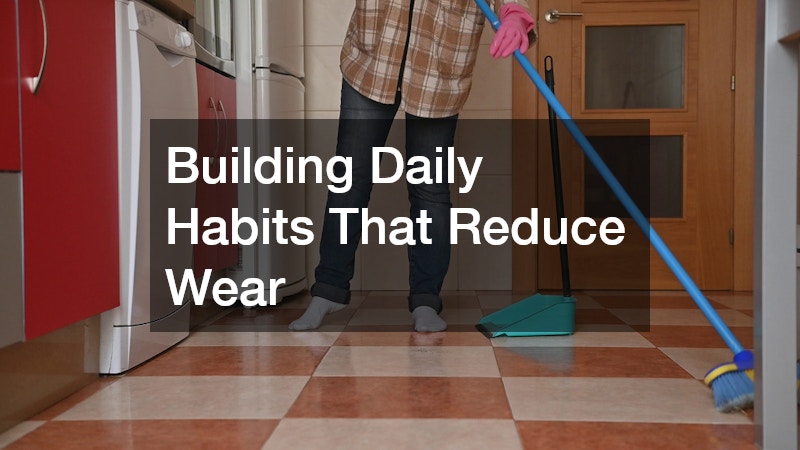
The most effective maintenance routines often begin with ordinary behavior. In a large household, the way people move through the home every day can either reduce damage or create it. Shoes left in walkways, wet towels dropped on floors, doors slammed in a hurry, and bags thrown against walls may seem minor once or twice. Repeated hundreds of times, they leave marks.
This is where prevention becomes less about tools and more about household culture. The goal is not to make children afraid of living in their own home. A family house should feel comfortable and usable. The goal is to create habits that make the home easier to care for.
Entryways are a good place to start. A mat outside, a washable rug inside, and a simple shoe area can reduce dirt, grit, and moisture across the rest of the house. Hooks or cubbies can keep backpacks from scraping walls or blocking doors. In bathrooms, towel hooks and a quick fan habit can reduce moisture.
It helps to make expectations specific. “Be careful” is too vague. “Hang wet towels on the hook,” “keep sports bags in the mudroom,” and “tell an adult if water is on the floor” are easier to follow.
Preparing for Seasonal Stress
Every season puts different pressure on a home. Spring brings rain, mud, pollen, and drainage concerns. Summer brings heat, humidity, outdoor activity, and heavier cooling demands. Fall brings leaves, falling branches, and the need to prepare for colder weather. Winter brings freezing temperatures, indoor moisture, icy walkways, and heavier use of living spaces.
Instead of trying to remember everything at once, divide maintenance by season. In spring, focus on drainage, gutters, exterior surfaces, windows, and signs of moisture. In summer, pay attention to cooling performance, outdoor safety, pest entry points, and yard wear. In fall, clear gutters, seal drafts, check heating readiness, and store outdoor items properly. In winter, watch for frozen pipes, roof stress, indoor humidity, and slippery paths.
Seasonal planning is especially useful for large families because emergencies are harder to manage when everyone depends on the same spaces. A heating failure during a school week, a plumbing backup before guests arrive, or a roof leak during a storm can throw the entire household into stress.
Knowing When to Handle It Yourself
Many large families become skilled at quick fixes. Someone knows how to tighten a loose handle, patch a tiny hole, unclog a simple drain, replace a filter, or adjust a squeaky hinge. These small skills are useful. They save time, build confidence, and keep minor issues from becoming daily annoyances.
The challenge is knowing where to draw the line. DIY maintenance is best for low-risk tasks where mistakes are unlikely to cause serious damage. Replacing air filters, organizing storage, touching up paint, tightening cabinet hardware, and adding weatherstripping are reasonable projects for many homeowners.
More serious issues deserve professional help. Electrical warning signs, recurring leaks, sewage odors, major cracks, unsafe glass damage, roof leaks, persistent moisture, and system failures should not be treated as weekend experiments. A temporary fix may hide the symptom while the underlying problem gets worse.
The best plan is to build a contact list before you need it. Keep names and numbers for trusted professionals, warranty providers, insurance contacts, and utility companies. When something goes wrong, you do not want to search in a panic.
Budgeting for Prevention Instead of Emergencies

Home maintenance feels less overwhelming when it has a budget. Without one, every repair feels like a surprise, even though every home eventually needs attention. Large households should expect higher wear and plan for it. That does not mean spending constantly. It means setting aside money so small problems can be handled before they become large ones.
A good maintenance budget separates needs into categories. Urgent items protect safety or prevent active damage. Seasonal items prepare the home for weather changes. Preventive items reduce future risk. Future upgrades are bigger projects that may improve durability, comfort, or efficiency over time.
For example, a loose doorknob may be annoying but not urgent. A spreading ceiling stain is urgent. A filter replacement is preventive. When families rank repairs by risk instead of frustration alone, they tend to make better decisions.
Recordkeeping matters too. Save service dates, receipts, photos, inspection notes, and warranty information. If the same area keeps needing attention, that record can help identify a larger pattern. Maybe the issue is not one clogged drain, but a system under too much strain.
Keeping the Home Easier to Protect
Large households put a home to the test every day, but they also have an advantage: more eyes, more routines, and more opportunities to notice when something changes. The key is turning that activity into awareness. A child who reports a leak, a teen who mentions a flickering light, or an adult who takes photos during a monthly walkthrough can all help protect the home.
Preventing costly damage does not require perfection. It requires consistency. Check busy areas. Take small warning signs seriously. Spread out heavy use when possible. Plan for seasonal stress. Know when a simple fix is enough and when a professional should step in. Most importantly, make home care part of normal family life rather than something that only happens during emergencies.
A well-maintained home supports the people living in it. It keeps mornings calmer, protects shared spaces, reduces surprise expenses, and helps the household function with fewer disruptions. For a big family, that kind of stability is worth the effort.