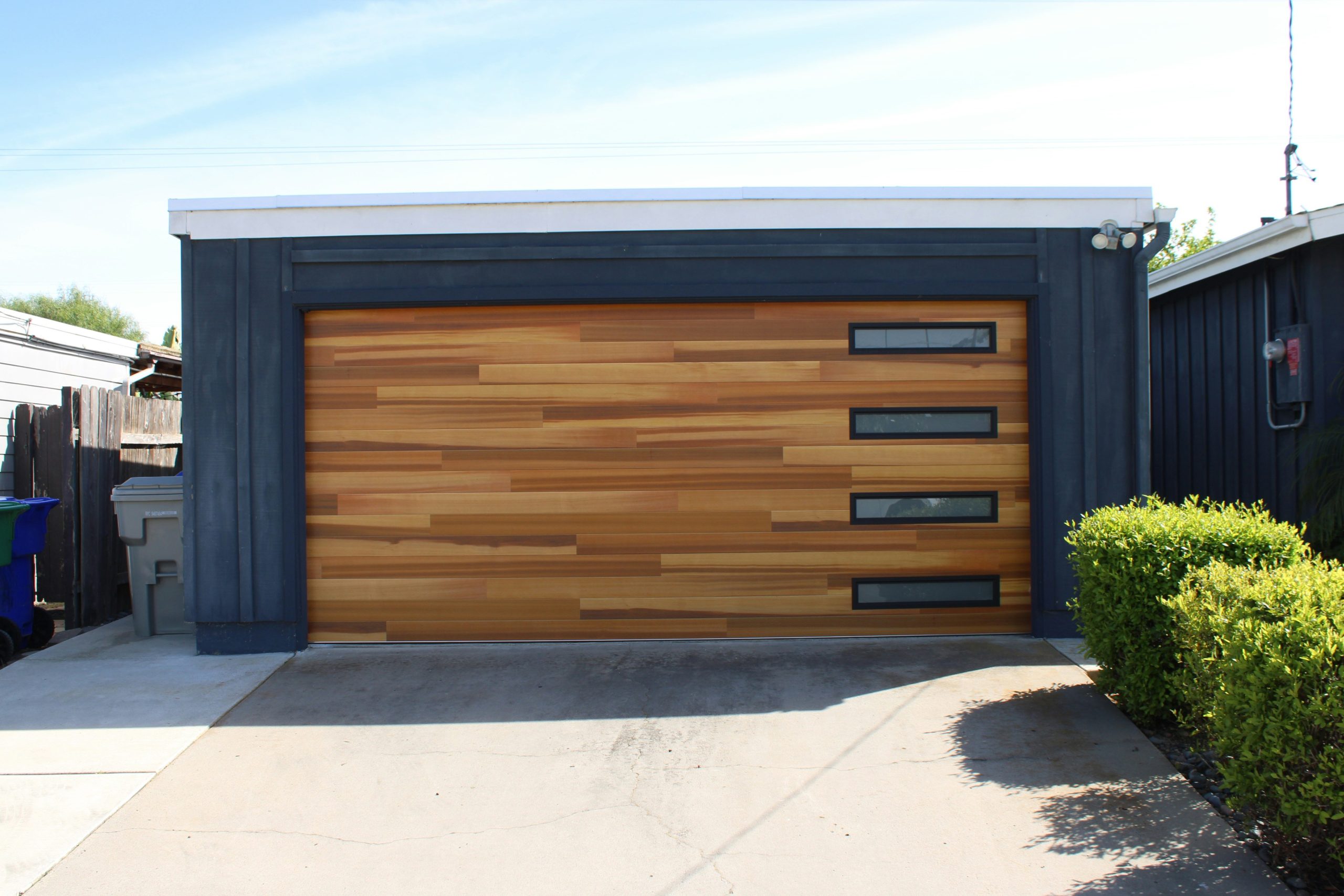
Highlights:
- Declutter before you design. Sort everything into keep, donate, sell, and toss piles, and give the garage a deep clean so you can spot problems like moisture, cracks, or pests early.
- Choose flooring that is safe and comfortable. Options like epoxy, interlocking tiles, and rubber mats protect the concrete and cushion falls, and you can mix surfaces for different zones.
- Use vertical space for storage. Wall tracks, ceiling racks, and labeled bins keep the floor clear, while lockable cabinets keep tools and chemicals away from kids.
- Create zones for different activities. A play area, homework corner, mudroom-style entry, and fitness space let the garage serve the whole family as kids grow.
- Improve lighting and climate control. Bright LEDs, fresh paint, insulation, and good ventilation make the space comfortable and usable all year.
- Put safety first. Check the garage door sensors, install smoke and carbon monoxide detectors, secure heavy shelving, and set clear house rules for children.
- Stay flexible. Start with the basics and add upgrades over time, choosing furniture and storage that can adapt as your family’s needs change.
For a lot of households, the garage is the room everyone avoids. It starts as a place to park the car, then slowly turns into a dumping ground for broken bikes, half-empty paint cans, holiday decorations, and boxes nobody has opened since the last move. Meanwhile, the rest of the house is bursting at the seams with toys, sports gear, and clutter that has nowhere else to go.
Here’s the good news: your garage might be the most underused square footage you own. With a little planning and a realistic budget, it can become a safe, organized, and genuinely fun part of your home. Whether you have toddlers, teenagers, or a mix of both, a thoughtfully redesigned garage can serve as a playroom, a homework spot, a workout area, and a tidy entry point for the whole family. The ten ideas below will help you reclaim the space without turning your weekends into a never-ending construction project.
Start With a Deep Clean and a Serious Declutter
Before you buy a single shelf or can of paint, you need a blank slate. Pull everything out of the garage and sort it into four piles: keep, donate, sell, and toss. This step feels overwhelming at first, but it’s the foundation of everything else. You can’t design a family-friendly space around stuff you don’t even use.
Be honest with yourself while sorting. If something has been sitting untouched for two years, chances are you won’t miss it. Involve the kids, too. Letting them decide which outgrown toys and sports gear to donate teaches them about letting go, and it saves you from guessing what’s still important to them.
Once the garage is empty, give it a thorough scrub. Sweep out the dust and cobwebs, wash the walls, and degrease the floor where oil has leaked. While you’re at it, take note of any problem areas you’ll want to fix later:
- Cracks in the concrete slab
- Water stains or signs of moisture on the walls
- Pest activity, such as droppings or chewed materials
- Peeling paint or damaged drywall
Handle hazardous items carefully during this phase. Old paint, pesticides, car batteries, and chemicals should be disposed of through your local hazardous waste program, not tossed in the regular trash. A clean, empty garage also gives you a clear picture of what you’re working with, which makes every other decision easier.
Upgrade the Flooring for Comfort and Safety
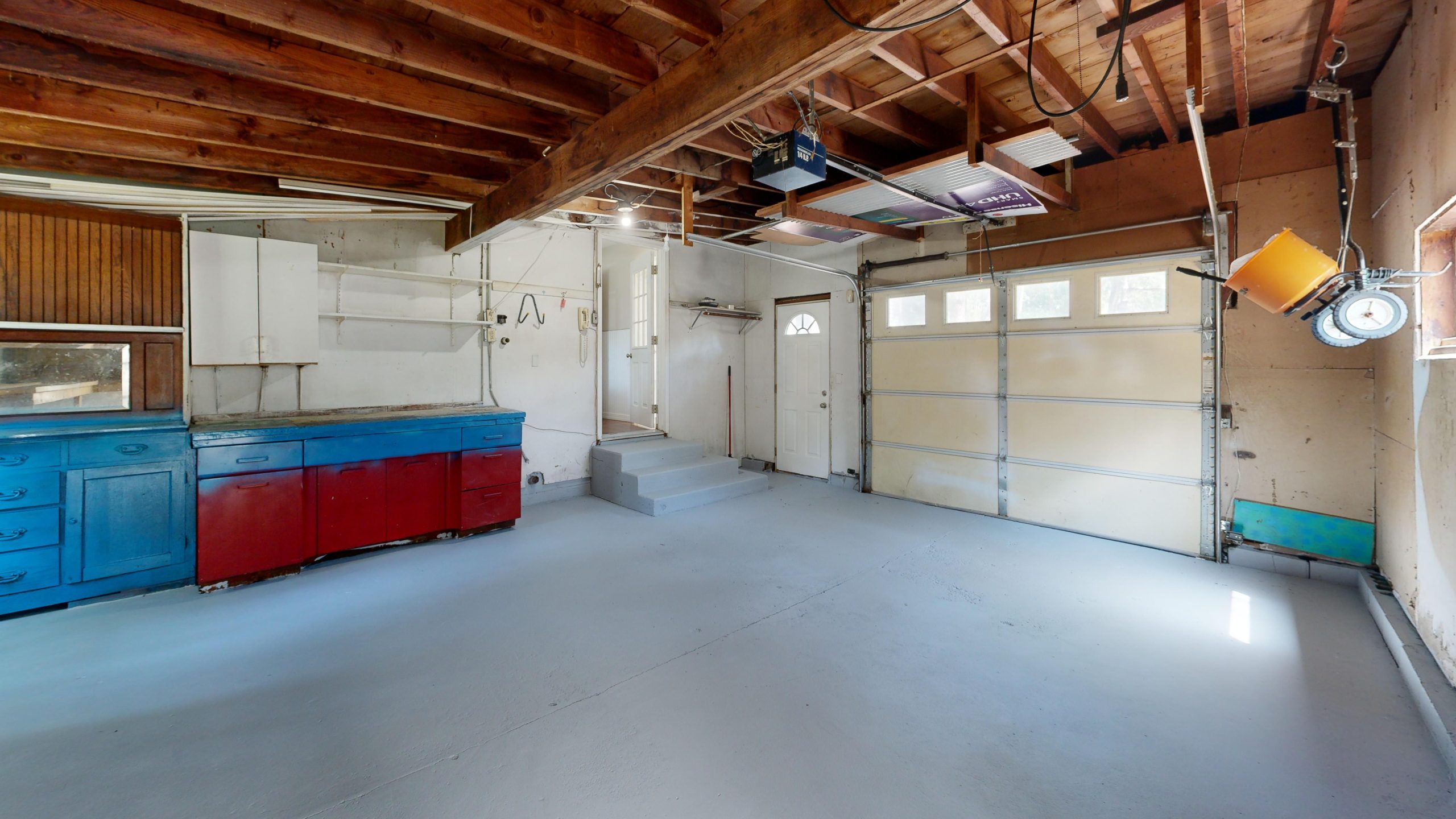
Bare concrete is cold, hard, and unforgiving, especially when little ones are tumbling around on it. It also stains easily and can be slippery when wet. Upgrading your flooring is one of the most transformative things you can do, both for looks and for safety.
There are several options, and the right one depends on your budget and how you plan to use the space:
- Epoxy coating: Durable, glossy, and easy to wipe clean. It resists oil, water, and heavy foot traffic, though it can get slick, so ask about adding anti-slip flakes.
- Interlocking floor tiles: These snap together without glue and come in rubber, PVC, or polypropylene. They’re great for DIYers and can be replaced one tile at a time if damaged.
- Rubber rolls or mats: Perfect for play or workout zones because they cushion falls and absorb noise.
- Painted concrete sealer: A budget-friendly choice that adds color and protection, though it wears faster than epoxy.
If you want different zones, you can mix and match. A soft foam or rubber surface under the play area, with epoxy near the car bay, gives you the best of both worlds. Whatever you choose, make sure the concrete is fully clean and dry before installation, since moisture trapped underneath can cause bubbling and peeling down the road.
Install Smart Storage Systems
Storage is the real heart of a family-friendly garage. Without it, clutter creeps back within weeks. The trick is to think vertically and use every inch of wall and ceiling space, so the floor stays open for actual living.
Wall-mounted track systems are a favorite because they’re flexible. You can hang hooks, baskets, and shelves, then rearrange them as your family’s needs change. Overhead ceiling racks are ideal for seasonal items like holiday decorations, camping gear, and luggage that you only need a few times a year. Heavy-duty steel shelving units work well for bins and larger tools.
Here are a few storage tips that make a real difference:
- Use clear, labeled bins so everyone can find what they need without dumping everything out.
- Store heavy items on lower shelves and lightweight items up high.
- Hang bikes from ceiling hooks or wall mounts to free up floor space.
- Dedicate one cabinet to each category, such as sports gear, gardening supplies, or car care.
- Keep a donation bin by the door for outgrown items so clutter never builds up.
Choose lockable cabinets for anything dangerous, like tools, chemicals, and sharp equipment. That way you can have an organized, open-feeling garage while keeping hazards out of curious little hands.
Create a Dedicated Kids’ Play Zone
If you have younger children, turning part of the garage into a play zone can be a lifesaver. It gives them room to be loud and messy without taking over your living room. Think of it as a mini indoor playground that happens to live next to the car.
Start by marking out a clear area, ideally on the side of the garage furthest from the vehicle and any storage of tools. Lay down soft flooring, then add a few key elements. A small climbing wall, a chalkboard or whiteboard panel, and a low shelf for toys can turn an ordinary corner into a favorite hangout. For active kids, ride-on toys and scooters can zip around once the cars are out for the day.
Some ideas to personalize the zone:
- A magnetic wall for art projects and building games
- A pop-up tent or reading nook with floor cushions
- Toy storage bins at kid height so they can help with cleanup
- A painted road or hopscotch grid on the floor
- A small craft table with washable surfaces
Keep the setup flexible. Kids outgrow things quickly, and a play zone that suits a four-year-old may need a total rethink by the time they’re eight. Choose furniture and storage that can shift roles, like a sturdy shelf that holds toys now and books or board games later.
Set Up a Homework and Hobby Corner
As kids get older, the garage can quietly turn into a creative studio or study area. A designated corner for homework, crafts, or hobby projects gives them focus and independence, and it keeps school supplies from taking over the kitchen table.
A simple work surface is all you need to get started. A sturdy countertop mounted to the wall, paired with a couple of stools or chairs, creates a compact workstation. Add a pegboard above it for supplies, and a rolling cart for papers, markers, and tools. If your family loves woodworking, model building, or sewing, a larger workbench can double as both a project table and a place for parents to tackle repairs.
Think about what makes a workspace actually usable:
- Good task lighting, such as an adjustable desk lamp or under-shelf LED strips
- Power outlets within easy reach for laptops, chargers, and tools
- A comfortable chair or stool at the right height
- Storage for materials so projects can be paused and resumed
- A bulletin board for schedules, reminders, and artwork
If the garage tends to be loud or distracting, consider adding a small rug and a few acoustic panels. Even a modest bit of sound dampening can help teenagers concentrate, especially when a sibling is bouncing a basketball on the other side.
Brighten Things Up With Better Lighting
Most garages are lit by a single dim bulb that casts shadows in every corner. That’s inconvenient for adults and downright unsafe for kids. Good lighting changes the whole feel of the room, making it feel like a true extension of your home instead of a cave.
Swap out old fixtures for bright LED shop lights, which are energy-efficient, long-lasting, and available in cool or warm tones. Aim for even coverage across the ceiling, then layer in task lighting over workbenches and craft areas. Motion-activated lights near the entry door are another smart upgrade, since they switch on automatically when your hands are full of groceries or sports bags.
Natural light is worth considering, too. Adding windows or replacing a solid garage door with one that has glass panels can flood the space with daylight, which makes it feel larger and more inviting. If you’re planning bigger electrical changes, such as adding outlets, new circuits, or a subpanel, it’s worth bringing in licensed professionals. Many contractors who offer residential home improvement solutions can handle the wiring, insulation, and lighting upgrades in one go, which keeps the work safe, code-compliant, and far less stressful for you.
Don’t forget about color. A fresh coat of light, reflective paint on the walls and ceiling can make the space dramatically brighter. Pale grays, soft whites, or even a cheerful pop of blue or green can turn a dreary garage into a space you actually want to spend time in.
Improve Climate Control and Air Quality
A family-friendly garage has to be comfortable year-round. If it’s freezing in winter and sweltering in summer, nobody will use it for anything other than parking. Fortunately, a few practical upgrades can take the edge off extreme temperatures.
Insulation is the first line of defense. Insulating the walls, ceiling, and garage door helps keep heat in during winter and out during summer, and it also muffles noise. Weatherstripping around the door and sealing gaps around windows cut down on drafts, dust, and pests. If your garage shares a wall with the house, insulation there can even lower your energy bills.
Beyond insulation, consider these options for year-round comfort:
- A ductless mini-split system for both heating and cooling
- A portable space heater or electric wall heater for colder months
- Ceiling fans or a wall-mounted fan to improve air circulation
- A dehumidifier if the space feels damp or musty
Ventilation matters just as much, particularly if you’ll be painting, sanding, or doing any kind of project work. Cars also release fumes, so make sure there’s good airflow and install a carbon monoxide detector. This is a safety must-have for any garage that adjoins living space, and it’s especially important if kids will be spending significant time there.
Build a Mudroom-Style Entry Zone
The doorway between your garage and your house is prime real estate. Most families funnel in and out through it all day long, dragging shoes, backpacks, jackets, and sports gear along with them. Turning that entry into a mini mudroom keeps the chaos contained before it ever reaches your kitchen.
A simple setup works wonders. Install a row of sturdy hooks at different heights so everyone, even the smallest family member, can hang their own coat and bag. Add a bench with cubbies or shoe storage underneath, and place a washable mat or boot tray to catch mud, snow, and puddles. Labeled cubbies for each person help kids take responsibility for their own belongings.
To make the zone even more functional, think about adding:
- A wall-mounted shelf for keys, mail, and sunglasses
- A basket for hats, gloves, and scarves
- A small family calendar or whiteboard for schedules
- A mirror for last-minute checks before heading out
- A waste bin for sports drink bottles and wrappers
Durable, easy-to-clean materials are key here. Choose waterproof flooring and wipeable paint so spills and muddy footprints are no big deal. When this zone works well, you’ll notice an immediate difference in how tidy the rest of your home stays.
Add a Family Fitness Area
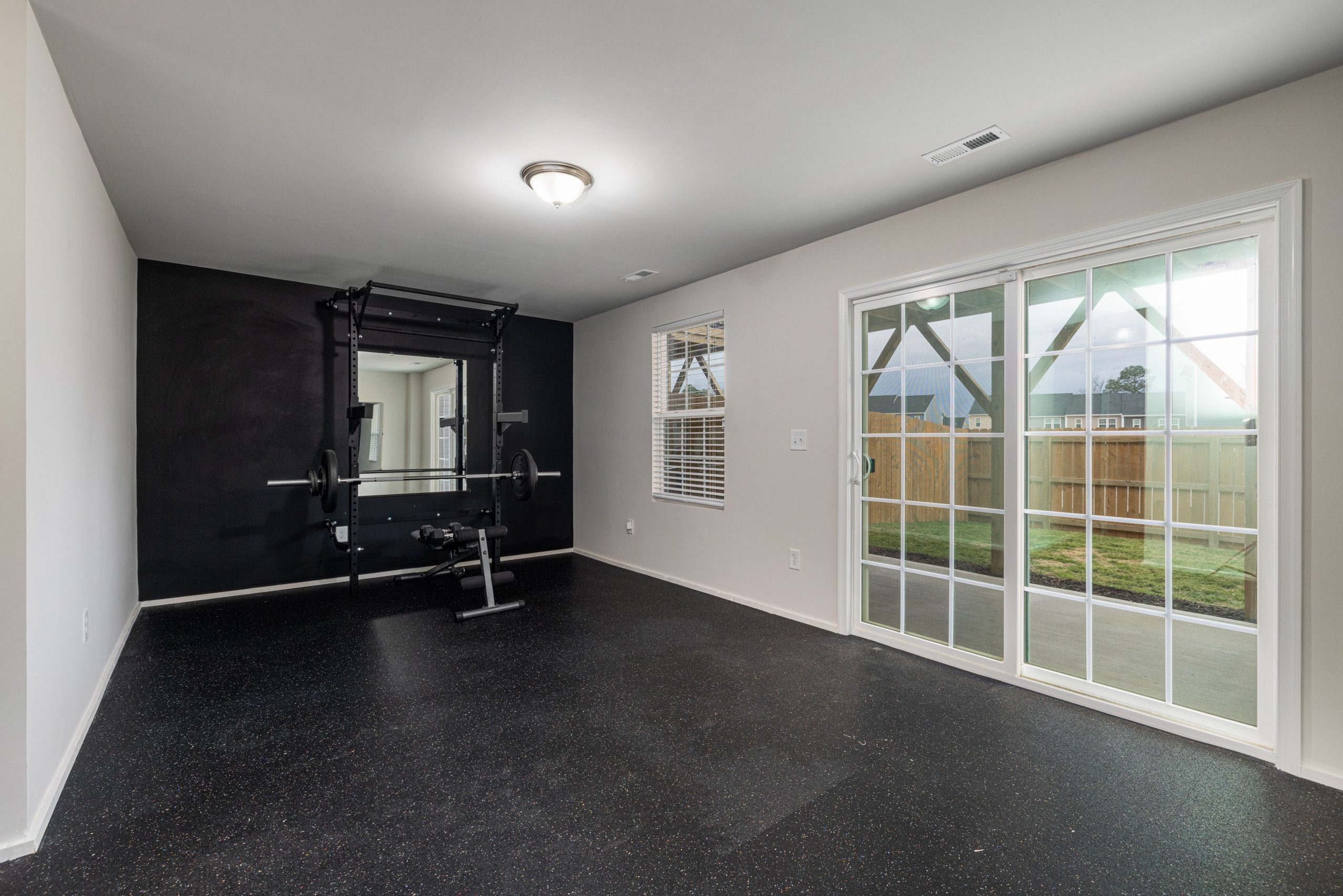
Plenty of families struggle to find time and space for exercise. A garage gym can solve both problems, and it doesn’t require fancy equipment or a huge budget. With the right setup, parents and older kids can work out together, or take turns without leaving the house.
Begin with rubber flooring, which protects both the concrete and your joints. From there, build gradually based on your family’s interests. Start with versatile basics like dumbbells, resistance bands, a yoga mat, and a jump rope. If you have more space, a stationary bike, a treadmill, or a compact squat rack can round out your options. Wall-mounted mirrors are helpful for checking form, and a Bluetooth speaker makes workouts more fun.
Safety deserves extra attention in a family setting:
- Store weights and equipment on low racks or in lockable cabinets
- Keep the fitness area separate from play zones when possible
- Install wall padding if kids will be doing active games nearby
- Teach older children how to use equipment properly and only with supervision
You don’t have to build a full commercial gym. Even a small corner dedicated to stretching, bodyweight exercises, and a few weights can motivate everyone to move more. Kids who see their parents being active often pick up the habit themselves, which makes this idea a good investment well beyond the garage walls.
Make Safety a Priority With Child-Proofing Measures
Garages come with built-in hazards, from power tools to car fluids to heavy doors. Before you declare the makeover finished, take a careful look at the space through a child’s eyes. Anything that can be reached, pulled, climbed, or swallowed deserves a second thought.
The garage door is a top concern. Make sure your opener has working auto-reverse sensors, and teach children never to play near the door while it moves. Keep the remote and wall button out of reach of little hands. Store chemicals, sharp tools, and fuel in high, locked cabinets, and keep a fully stocked first aid kit within easy reach.
A quick safety checklist can help you cover the essentials:
- Install smoke detectors and a fire extinguisher near the exit
- Add a carbon monoxide detector if you haven’t already
- Secure heavy shelving to the wall so it can’t tip
- Cover or relocate sharp corners with edge guards
- Keep cords and cables tidy and out of walking paths
- Post emergency numbers and a family safety plan near the door
Establish clear house rules, too. Talk with your kids about which areas of the garage are off-limits, which tools are strictly for adults, and what to do if something goes wrong. A safe garage is as much about habits and communication as it is about gadgets and locks, and these small steps give everyone peace of mind.
Final Thoughts
Turning a cluttered garage into a family-friendly space doesn’t happen overnight, and it doesn’t have to happen all at once. Start with the basics, like decluttering, cleaning, and installing storage, then layer in comfort and fun as your time and budget allow. Each small upgrade makes the space more useful, and before long you’ll wonder how your family ever lived without it.
The best part is how flexible the result can be. Today it might be a play zone for toddlers. In a few years, it could be a hangout for teenagers or a fitness studio for the whole household. Plan with adaptability in mind, involve your family in the decisions, and don’t be afraid to experiment. Your garage has been waiting for a glow-up, and now it’s finally your turn to give it one.