The concept of home has undergone a radical transformation in recent years. No longer just a place to sleep and eat, the modern family residence serves as an office, a school, a gym, and a sanctuary. When we consider upgrading our living spaces, the goal is often twofold: to enhance our current quality of life and to secure the long-term value of our most significant investment. This guide explores in-depth strategies for refining your interior, focusing on durability, aesthetics, and the seamless integration of functional design.
Reimagining the Culinary Hub
The kitchen is frequently cited as the most important room in a house, acting as the social anchor where families gather to start their day and reconnect in the evening. An upgrade here offers the highest return on enjoyment and investment. Beyond just replacing appliances, a deep dive into the structural layout can solve many of the friction points of daily life.
When planning a high-end kitchen, storage is the primary concern. Stock units often leave gaps or require filler strips that waste valuable space. Investing in custom kitchen cabinetry allows you to utilize every inch from floor to ceiling. This is particularly useful for growing families who need specialized storage for bulk goods, small appliances, and lunch-prep stations. Consider features like deep pull-out drawers for pots and pans, integrated spice racks, and hidden recycling centers.
The choice of materials underfoot is equally critical. For a kitchen to remain timeless, it needs a surface that can withstand dropped cast-iron pans, spilled wine, and heavy foot traffic. Exploring various flooring showrooms provides a tactile advantage that online shopping cannot replicate. Seeing how light hits a specific species of hardwood or the texture of a high-end porcelain tile ensures that the foundation of your kitchen aligns with your lifestyle.
-
Smart Zoning: Create distinct areas for prep, cooking, and cleaning to allow multiple people to work simultaneously.
-
Layered Lighting: Combine recessed ceiling lights with under-cabinet LEDs and statement pendants over the island.
-
Hidden Charging: Install power outlets inside drawers to keep countertops clear of charging cables and devices.
Architectural Elegance in Shared Spaces
Common areas like hallways, staircases, and living rooms are the “veins” of the home. They dictate the flow of energy and light. Often, these spaces are overlooked, yet they offer unique opportunities for architectural expression.
The staircase, for instance, is often the first thing guests see. Replacing dated wooden spindles with custom metal railings can instantly modernize a foyer. Metal offers a slim profile that allows more light to pass through, creating an airy, open-concept feel even in traditional layouts. Whether you prefer a minimalist industrial look or a more ornate wrought-iron design, the durability of metal ensures that it remains a focal point for decades without the warping or creaking associated with wood.
To personalize these transit zones, look to your walls. A home should tell the story of the family living within it. Professional custom framing services can turn simple family photographs, children’s artwork, or vintage maps into sophisticated gallery-grade installations. Using archival-quality materials ensures that your memories are protected from fading and humidity, turning a plain hallway into a curated museum of your family’s history.
-
Wall Paneling: Consider wainscoting or shiplap to add texture and protect walls in high-traffic corridors.
-
Safety First: Ensure that handrails are at a comfortable height for both children and elderly visitors.
-
Minimalist Hardware: Coordinate your metal accents across doorknobs, hinges, and light fixtures for a cohesive look.
Designing the Ultimate Private Retreat
The primary bathroom has evolved from a utility room into a personal wellness center. For parents, this is often the only room where true privacy is possible. Upgrading this space requires a balance between high-end finishes and rigorous moisture management.
A significant trend in modern bath design is the “wet room” or the oversized walk-in shower. To maintain a sense of openness while containing steam and spray, custom glass shower doors are essential. Unlike standard kits, custom glass can be cut to fit sloped ceilings or unique corner configurations. Thick, frameless tempered glass provides a high-end, clean look that makes even a modest-sized bathroom feel like a luxury hotel suite.
However, the complexity of plumbing and waterproofing means that these projects should rarely be DIY. Engaging experienced bathroom remodeling contractors is vital. These professionals understand the nuances of subfloor preparation and the installation of heated floors or steam generators. They ensure that your investment is protected by proper ventilation and leak-proof membranes, preventing costly mold issues down the line.
-
Thermostatic Valves: Install shower systems that maintain a consistent temperature to prevent scalding.
-
Niche Storage: Built-in tiled niches for shampoos keep the shower floor clear and organized.
-
Mood Lighting: Use dimmable circuits so you can transition from bright morning light to a soft, relaxing evening glow.
Sophisticated Organization and Light Control
A peaceful home is an organized one. In bedrooms and dressing areas, clutter is the enemy of rest. Many standard homes come with shallow closets that lead to “closet creep”—where clothes and shoes eventually spill out into the bedroom.
The solution lies in structural storage. Installing built-in closets transforms the bedroom environment. By tailoring the interior to your specific wardrobe—including shoe racks, velvet-lined jewelry drawers, and double-hang rods—you can eliminate the need for bulky dressers. This frees up floor space, making the bedroom feel larger and more serene.
Light is the final component of a bedroom’s atmosphere. The right window coverings serve multiple purposes: they provide privacy, manage temperature, and control the circadian rhythm. From motorized cellular shades that provide insulation to heavy linen drapes that block out the early morning sun, your choice of treatment dictates the room’s comfort level. High-quality treatments also protect your flooring and furniture from UV damage, preserving your other interior investments.
-
Vertical Advantage: Build closets all the way to the ceiling to store seasonal items like winter coats or luggage.
-
Acoustic Benefits: Heavy drapes can significantly dampen outside noise, such as traffic or neighbors.
-
Color Psychology: Choose neutral, calming tones for storage units to keep the visual field uncluttered.
Expanding the Living Experience
Sometimes the best way to upgrade an interior is to add to it. For families who love nature but hate the unpredictability of weather, a transitional indoor-outdoor space is the ultimate luxury.
A sunroom installation provides a unique environment that bridges the gap between the comfort of your living room and the beauty of your garden. This space can serve as a breakfast nook, a conservatory for plants, or a bright home office. Because these rooms are primarily glass, they require careful engineering to ensure they are energy-efficient and comfortable in both the peak of summer and the depths of winter.
Executing such a large-scale project requires a holistic approach to the home’s structure. Comprehensive home renovation services can manage the integration of a new wing or a major room conversion. They handle the permits, the foundation work, and the seamless transition of siding and roofing so the new addition looks like it was always part of the original design. This professional oversight is crucial for maintaining the structural integrity and the cohesive aesthetic of your property.
-
Furniture Selection: Use UV-resistant fabrics in sun-drenched rooms to prevent fading.
-
Climate Integration: Ensure the room is tied into your central HVAC or has a high-quality independent heat pump.
-
Multi-Purpose Design: Think about how the room will evolve—a playroom for toddlers can easily become a quiet reading lounge for teenagers later.
The Psychology of Color and Lighting in Family Dynamics

While structural changes and high-end materials provide the framework for a beautiful home, the psychological impact of color and light is what truly defines the atmosphere of a household. For a family home, the color palette should be more than just a reflection of current trends; it should be a tool used to influence mood and energy levels throughout the day.
In high-energy areas such as the kitchen or playroom, warmer tones and bright, natural light can stimulate conversation and activity. Conversely, in bedrooms and study areas, cooler tones—such as soft blues, muted greens, or warm greys—help to lower heart rates and prepare the mind for rest or deep concentration. Understanding how these colors interact with the natural light throughout the day is key. A room that looks vibrant at noon may feel cold and uninviting at sunset if the lighting design doesn’t compensate for the shift in color temperature.
Lighting should be viewed in layers: ambient, task, and accent. Ambient lighting provides the general illumination for a room, while task lighting—such as a high-intensity lamp over a reading chair or under-cabinet lights in a kitchen—focuses on specific activities. Accent lighting is used to highlight architectural features or artwork, adding depth and visual interest. By incorporating smart lighting systems that allow you to adjust the color temperature and brightness based on the time of day, you can align your home’s environment with your family’s natural circadian rhythms, improving sleep quality and overall well-being.
-
Circadian Alignment: Use cooler, blue-toned light in the morning to increase alertness and warmer, amber-toned light in the evening to trigger melatonin production.
-
The 60-30-10 Rule: When choosing colors, aim for 60% dominant color (walls), 30% secondary color (upholstery), and 10% accent color (accessories) for a balanced look.
-
Reflective Surfaces: Strategically place mirrors or use high-gloss finishes in darker rooms to bounce light and create a sense of spaciousness.
Strategic Planning for Long-Term Value
When embarking on these upgrades, it is easy to get caught up in the aesthetics, but the logistics of the renovation are what determine the success of the outcome. Planning is the most critical phase of any interior transformation.
Start by identifying the pain points in your daily routine. Does everyone trip over each other in the morning? Is there a lack of light in the center of the house? By addressing these functional issues first, the aesthetic beauty of the upgrades will feel even more rewarding. It is also wise to consider the “while we’re at it” factor. If you are opening a wall to install a new closet, that is the perfect time to upgrade the electrical wiring or add insulation.
Budgeting should always include a contingency fund. Standard industry advice suggests 10% to 20% above the estimate for unexpected repairs. This is especially true in older homes where opening a wall might reveal outdated plumbing or structural issues that must be addressed before the new finishes can be applied.
The Impact of Quality Craftsmanship
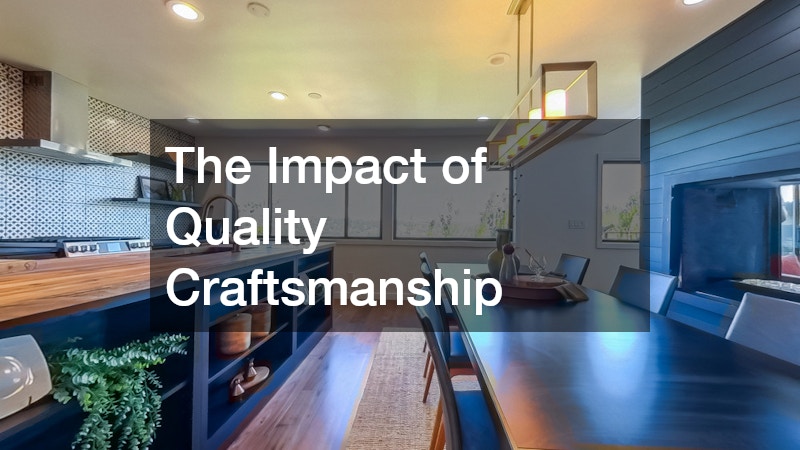
In an era of fast furniture and temporary fixes, choosing high-quality materials and professional labor is a sustainable choice. A well-executed renovation reduces the need for future repairs and replacements, saving money and resources in the long run.
The materials you choose should be “honest”—stone that feels like stone, metal that has weight, and wood that shows its grain. These elements age gracefully, developing a patina that adds character rather than looking “worn out.” When you combine these materials with the expertise of skilled tradespeople, the result is a home that feels solid, intentional, and uniquely yours.
Upgrading a family home is a journey of refining your surroundings to better support the life you want to lead. Whether it is through the careful selection of cabinetry, the architectural strength of new railings, or the thoughtful addition of a sun-drenched lounge, each change contributes to a more harmonious environment. By focusing on quality, functionality, and professional execution, you create a space that not only looks beautiful today but continues to serve as a sturdy and welcoming backdrop for your family’s most cherished moments for many years to come.
Ultimately, the true measure of a successful home renovation is not found in the pristine finishes or the increased property appraisal, but in how seamlessly the space facilitates the life lived within it. By making these intentional upgrades, you are doing more than just altering a floor plan; you are removing the daily frictions that cause stress and replacing them with systems and aesthetics that foster ease and connection. Whether it is a kitchen built for shared meals or a storage system that grants you a few extra minutes of calm in the morning, these investments pay dividends in the form of a more peaceful, functional lifestyle. Your home is a living entity that should grow and adapt alongside your family, remaining a steadfast sanctuary of comfort and joy for the many chapters yet to be written.