Choosing the right paint for an exterior project is one of the most important decisions homeowners can make when improving or maintaining their property. The paint you select does more than add color—it also protects your home from weather, moisture, sunlight, and everyday wear. Because exterior surfaces are constantly exposed to environmental conditions, selecting the proper exterior paint can help preserve your home’s appearance and structural integrity for years to come.
Exterior painting projects may involve siding, trim, doors, shutters, fences, or other outdoor structures. Each surface type may require a slightly different product or finish to achieve the best results.
Understanding the main types of paint available and how they perform in different environments can help you choose the best option for your project.
Understanding the Role of Exterior Paint
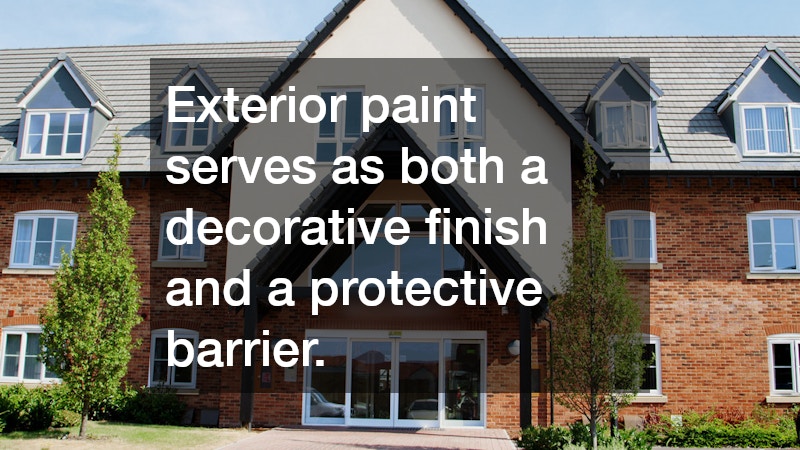
Exterior paint serves as both a decorative finish and a protective barrier. When applied correctly, it shields surfaces from moisture penetration, UV rays, and temperature fluctuations. Without this protection, exterior materials such as wood, metal, or masonry can deteriorate more quickly.
High-quality exterior paint is designed to expand and contract with changing weather conditions. This flexibility helps prevent cracking, peeling, and blistering. Paint also helps seal small gaps or imperfections in surfaces, reducing the likelihood of moisture damage or mold growth.
Because outdoor surfaces face constant exposure to sun, rain, wind, and seasonal changes, using paint specifically designed for exterior use is essential. Interior paints are not formulated to withstand these conditions and may fail quickly when applied outdoors.
Choosing Between Latex and Oil-Based Paint
One of the first choices homeowners encounter when selecting exterior paint is deciding between latex and oil-based options. Each type offers different advantages depending on the surface being painted.
Latex paint, also known as water-based paint, is one of the most common choices for exterior projects. It is valued for its durability, flexibility, and ease of application. Latex paint dries quickly and allows surfaces to breathe, which helps reduce moisture buildup. It is also easier to clean with soap and water, making it a convenient option for many homeowners.
Oil-based paint, while less commonly used today, still has advantages in certain situations. It tends to create a hard, smooth finish that adheres well to surfaces like metal or previously painted materials. Oil-based products may take longer to dry and require stronger solvents for cleanup, but they can provide excellent durability on certain surfaces.
In many modern exterior painting projects, latex-based products are preferred due to their environmental benefits, durability, and resistance to cracking.
Selecting the Right Paint Finish
Paint finishes play an important role in both the appearance and performance of exterior surfaces. The finish determines how much light reflects from the painted surface and how resistant it is to dirt and moisture.
Flat or matte finishes provide a smooth, non-reflective appearance. These finishes can help conceal minor surface imperfections, making them suitable for large siding areas. However, flat finishes may be slightly more difficult to clean than other options.
Satin finishes offer a balance between appearance and durability. They provide a subtle sheen while remaining resistant to dirt and mildew. Many homeowners choose satin exterior paint for siding because it offers good protection while maintaining an attractive finish.
Semi-gloss finishes are often used for trim, doors, and shutters. This finish is more reflective and easier to clean, making it ideal for surfaces that may experience frequent contact or exposure to moisture.
Choosing the appropriate finish for each part of the home can improve both the visual appeal and longevity of the paint job.
Considering Climate and Environmental Conditions
Climate plays a significant role in determining which paint products perform best outdoors. Homes located in areas with high humidity, intense sunlight, or heavy rainfall may require specialized paints designed to handle those conditions.
For example, paints with mildew-resistant properties are helpful in humid climates where moisture levels are high. In regions with strong sunlight, UV-resistant exterior paint can help prevent fading and color deterioration.
Temperature fluctuations can also affect paint performance. Some paints are specifically designed to handle expansion and contraction caused by seasonal changes. Choosing paint that matches your local climate conditions helps improve durability and maintain the appearance of the painted surface.
Consulting with paint professionals or local suppliers can help homeowners identify products that are well-suited for their region.
Selecting the right paint for your exterior project involves more than choosing a color. The type of paint, finish, climate compatibility, and surface preparation all influence how well the final result will perform over time. By understanding the differences between paint types and finishes, homeowners can make informed decisions that protect their property while enhancing curb appeal.
High-quality exterior paint provides essential protection against weather, moisture, and sunlight, helping homes maintain their appearance and structural condition. When combined with proper preparation and application, the right paint can deliver long-lasting results.
If you are planning an exterior painting project and want help choosing the best products for your home, speaking with experienced professionals or visiting a trusted paint supplier can be a great first step. Their knowledge can help guide you toward paint options that support both beauty and durability for years to come.