
Key Takeaways:
- A long wish list is normal. Treat it as a menu of options rather than one giant project, and you’ll feel far less pressure to do everything at once.
- Harvard’s July 2026 forecast expects remodeling spending growth to slow to just 0.5 percent by mid-2027. Many homeowners are scaling back and phasing projects, so cutting your list is a mainstream move.
- The median renovation project in the 2026 Cost to Renovate report is only $2,800, while the average is pulled up by a few six-figure projects. Price your specific project rather than trusting broad category averages.
- Sort every idea into three buckets: protect the house, improve daily life, and nice to have. Fix urgent issues first, then spend on the spaces you use most.
- Set your total spending ceiling before collecting contractor quotes, and hold back 10 to 20 percent as a contingency, especially if your home is older.
- Location and home age can shift your costs significantly. Regional multipliers in the report range from 17 percent below to 30 percent above the national average.
- Phase the work with a budget and checkpoint for each stage, and use low-cost upgrades like dimmers, smart thermostats, and under-cabinet lighting to keep improving your home while you save for the bigger projects.
If your renovation wish list has a new kitchen, a spa-style bathroom, refinished floors, a finished basement, and a backyard deck all on it, you’re in good company. Almost every homeowner starts with a list that could easily cost more than the house is worth. The dreaming part is free and fun. The budgeting part is where things get stressful.
The good news is that a long list isn’t a sign that you’re being unrealistic. It’s a sign that you know your home well and can see everything it could become. The trick is turning that pile of ideas into a home renovation budget you can actually follow, without sinking your savings or living in a construction zone for three years.
This guide walks you through exactly how to do that. We’ll ground the advice in two fresh 2026 data points: a Harvard forecast showing that national remodeling activity is cooling, and a cost report showing that the typical renovation project is far smaller than most people assume. Then we’ll get practical, with ways to sort your list, set a ceiling, sequence your projects, and protect yourself from surprises.
Why a Long Wish List Is Normal
Wish lists grow for a simple reason: every room in a lived-in house has at least one annoyance. The cabinet door that never closes right, the bathroom fan that sounds like a jet engine, the carpet you’ve been meaning to replace since you moved in. Once you start looking, you can’t stop seeing them.
The problem isn’t the size of the list. The problem is treating it like a single project. When you lump everything together, the total looks terrifying, and you either freeze up or start saying yes to expensive decisions just to get moving. Neither is a good plan.
A better mindset is to think of your list as a menu of options rather than a contract. You don’t have to order everything tonight. You can order a starter now, save room for the main course later, and skip a few dishes entirely once you see the bill. That shift alone takes a lot of the pressure off, and it makes every step that follows easier.
What Harvard’s 2026 Forecast Tells Homeowners
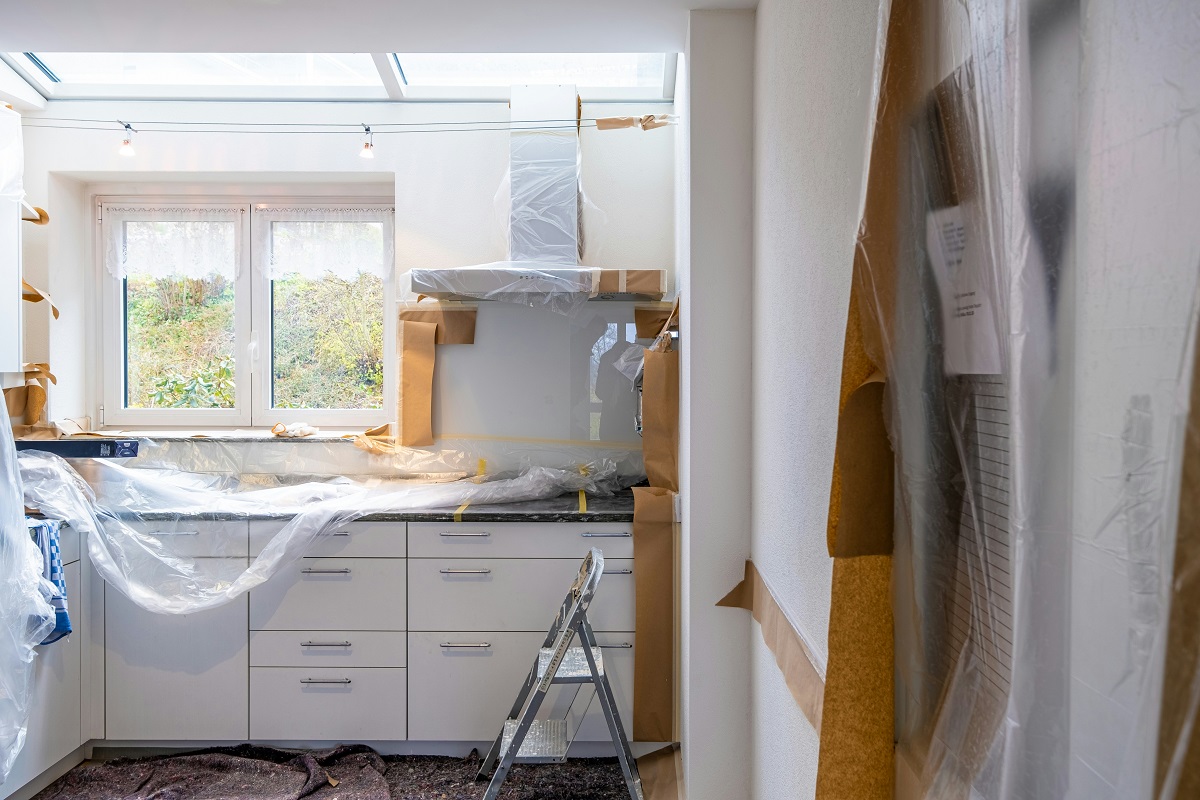
Let’s start with the big picture. In July 2026, Harvard’s Joint Center for Housing Studies released its latest Leading Indicator of Remodeling Activity, a quarterly outlook on how much homeowners are expected to spend on improvements and repairs. The headline is a slowdown. Researchers expect year-over-year growth in remodeling spending to shrink to just 0.5 percent by the second quarter of 2027, which would mark a third straight quarter of decelerating growth. Annual spending is projected to hover around $519 billion through mid-2027.
The reasons matter more than the number itself. The report points to flattening remodeling permits and softer retail sales of building products, along with fewer housing starts and general economic uncertainty. In plain English, fewer people are launching big projects, and the ones who are tend to be cautious.
So what should you take from that as a homeowner with a giant wish list?
- You’re not alone in scaling back. A cooling market means lots of households are trimming their plans, phasing projects, or waiting for better conditions. Cutting your list down isn’t a failure. It’s the mainstream move right now.
- Demand pressure may be easing. When fewer people are pulling permits, contractors can sometimes be more flexible on scheduling, and you may have more room to negotiate or compare bids. That’s not a guarantee, but it’s worth testing.
- The macro picture is a reason to stay flexible. Economic uncertainty is exactly why you want a plan that can flex. A phased approach lets you pause between projects if your finances or the market change.
One caution: the forecast is a national average. It describes the whole country, not your street. Use it as context for your mindset, then let local quotes drive your actual numbers.
The Typical Renovation Costs Less Than You Think
Here’s the second data point, and it’s the one that should make your list feel a lot less scary. The Home Renovation Cost Report 2026 from Cost to Renovate, updated in August, pulls together pricing from 234 project guides across 12 categories and 49 U.S. metro areas. The median project in that dataset comes in at $2,800. The average is more than double that, at roughly $6,300, but it gets dragged upward by giant projects like room additions, second stories, and accessory dwelling units.
That gap between the median and the average is the whole story. Half of the projects in the report cost less than $2,800. A handful of six-figure projects stretch the average, but they aren’t what most homeowners are doing. The report’s cost range runs from about $130 for something like dryer vent cleaning to $175,000 for a second-story addition, a spread of roughly a thousand to one.
What does this mean for your list? Two things.
First, your wish list probably contains a mix of big-ticket dreams and small, affordable upgrades. If you treat them all like they’re the same size, you’ll overestimate the total and get discouraged. Separate them, and the affordable items suddenly look very doable.
Second, be careful when you see “average” costs online. A category average can mix tiny jobs with huge ones. The same report shows kitchen projects averaging about $6,400 across its guides, but that figure includes things like a $190 dishwasher installation alongside a $27,000 full kitchen remodel. If you’re planning a complete kitchen overhaul, the category average will badly understate your bill. Always look at the specific project, not the umbrella number.
A quick note on how to read this kind of report honestly: the figures are compiled estimates built from published industry cost guides, not a survey of invoices. Treat them as a solid starting range, then confirm with real quotes from contractors near you.
Sort Your Wish List Into Three Buckets
Now for the hands-on part. Grab a notebook or a spreadsheet and write down every single thing you want to do, without editing yourself. Then sort each item into one of three buckets.
- Protect the house. These are the non-negotiables: roof leaks, outdated wiring, failing plumbing, moisture problems, an aging furnace. They aren’t glamorous, but ignoring them makes everything else more expensive.
- Improve daily life. These are the upgrades you’d feel every single day, like a functional kitchen layout, a bathroom that doesn’t frustrate you, better lighting, or more storage.
- Nice to have. Anything you’d enjoy but wouldn’t miss too much: a wine fridge, heated bathroom floors, a fancy backsplash, a deck, a fire pit.
Once everything has a home, put a rough price range next to each item. Don’t obsess over accuracy at this stage. You just need ballpark numbers so you can see how the buckets stack up.
Most people are surprised by what they find. The “protect the house” bucket is often smaller than they feared but pricier per item. The “nice to have” bucket is usually huge and easy to trim. That’s exactly what you want to discover before you spend a dime.
If you’re stuck deciding between two items, ask yourself a blunt question: “If I could only do one of these in the next twelve months, which would I regret skipping?” Your gut usually knows.
Set a Total Ceiling Before You Collect Quotes
Here’s the step people skip: decide what you can afford to spend before you start talking to contractors. Otherwise, the quotes set your budget for you, and they almost never come in low.
To find your ceiling, work through these questions:
- How much cash can you put toward the project without draining your emergency fund?
- If you’re financing, what monthly payment fits comfortably alongside your current bills?
- Are there upcoming expenses, like a car replacement, tuition, or a move, that could compete for the same money?
- How long do you plan to stay in the home? A short timeline changes how much you should invest.
Once you have a number, subtract a contingency cushion right away. A common rule of thumb is to hold back 10 to 20 percent for surprises, and closer to 20 percent if your home is older or you’re opening walls. Think of that money as spoken for. If nothing goes wrong, wonderful, you can put it toward the next phase. If something does, you won’t be scrambling.
What’s left after the cushion is your true spending limit. Write it at the top of your notebook and keep it visible. Every decision from here on gets measured against that number.
Let Location and Home Age Adjust Your Expectations
Where you live can change your budget more than almost any design choice. The Cost to Renovate report found that regional cost multipliers range from about 17 percent below the national average in El Paso to about 30 percent above it in San Jose. Its example is striking: the same kitchen remodel that runs around $25,000 in Indianapolis could cost roughly $38,000 in San Francisco or $35,000 in New York City. The report’s authors call your metro’s multiplier the single most important adjustment to make before you budget.
So before you fall in love with a price you saw on a blog, forum, or social media post, ask where that price came from. A number from a lower-cost market can make your plan look far cheaper than it will be in a pricey one, and the reverse is also true.
Your home’s age matters just as much. Older houses hide surprises behind the drywall, and those surprises are where a plan falls apart. Three common renovation budget drains show up again and again:
- Outdated electrical systems that need to be brought up to current code once the walls are open.
- Old plumbing with corroded pipes or awkward layouts that make moving a fixture far costlier than expected.
- Hidden damage from water, pests, or years of deferred maintenance that only appears during demolition.
If your house is more than a few decades old, pad your contingency toward the higher end and consider paying for an inspection before you finalize any plans. A few hundred dollars of investigation can save you thousands in mid-project panic.
How to Pick Your Starting Point
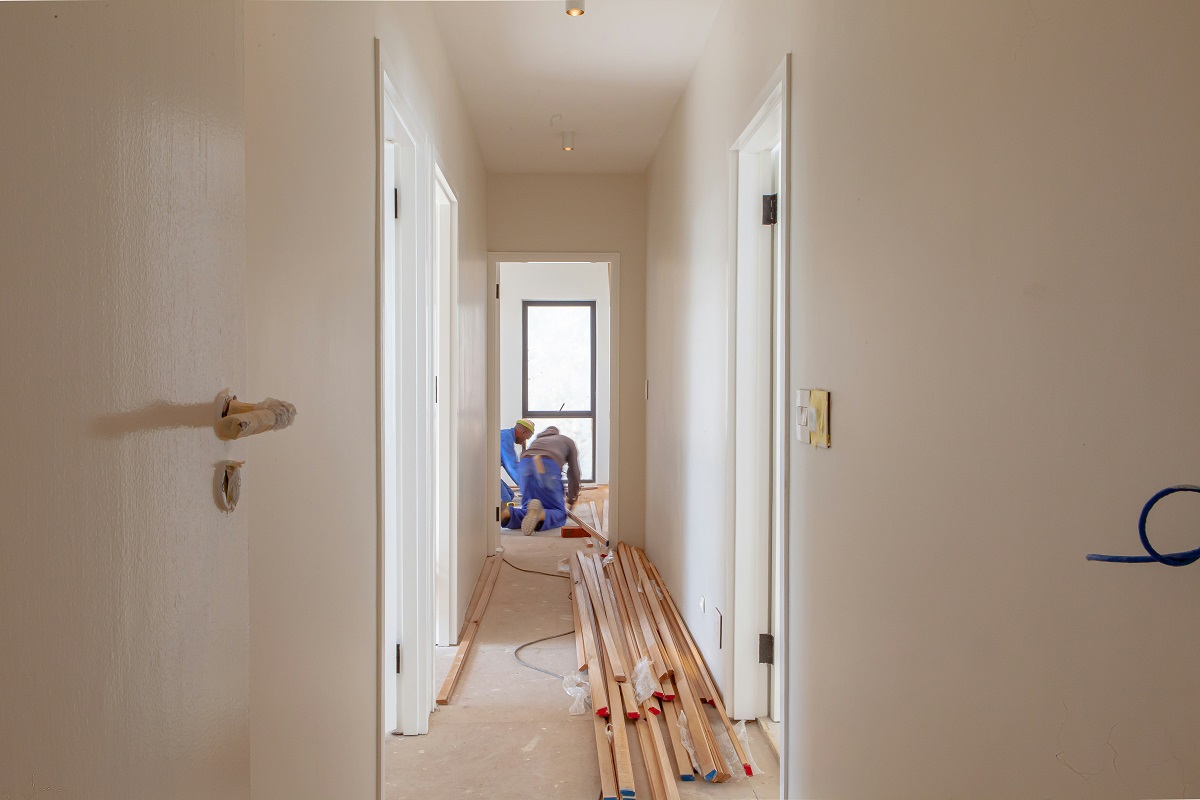
This is the question everyone asks once the list is sorted: where do I actually begin? There’s no perfect universal answer, but there is a smart way to think about it. When you’re deciding which rooms to renovate first, weigh four factors instead of going with whichever space annoys you most this week.
- Urgency. Anything tied to safety, water, structure, or major systems jumps to the front of the line. Fixing a leak before you install new flooring is common sense, and it’s also the cheapest order of operations.
- Daily impact. Rooms you use constantly, like the kitchen and primary bathroom, tend to deliver the most satisfaction per dollar because you feel the improvement every day.
- Dependencies. Some jobs have to happen before others. Electrical and plumbing rough-ins come before drywall and paint. Paint comes before flooring in many cases. Mapping these out prevents you from paying to redo finished work.
- Cost and disruption. A single-room project is easier to live through than a whole-house gut job. Kitchens can leave you without a stove for weeks, so plan around that.
It also helps to remember what the Cost to Renovate report says about resale. Its authors note that curb appeal and systems work tend to protect value, while big interior remodels are mostly livability purchases. A garage door replacement sits near the top of resale return rankings, while a full kitchen remodel usually gets back well under what it costs. If you plan to sell within a few years, that changes the math. If you plan to stay for a decade, spending on the room you’ll enjoy every day is completely reasonable, even when the resale return is modest.
Cheap Wins That Make the Wait Easier
One of the most useful details in the 2026 cost report is how affordable some upgrades are. Electrical work is the least expensive category in the dataset, with projects averaging about $1,478. The report specifically points to dimmer switches, smart thermostats, and under-cabinet lighting as high-impact improvements that typically come in under $500.
This matters when your wish list is enormous, because small wins keep you motivated and make your home nicer while you save for the big stuff. Consider building a “bridge” list of low-cost upgrades to tackle while you wait:
- Swap harsh overhead bulbs and add dimmers to change the mood of a room.
- Install a smart thermostat to start trimming energy bills.
- Add under-cabinet lighting to make a dated kitchen feel brighter.
- Replace cabinet hardware, faucets, and light fixtures for a fresh look.
- Repaint the rooms you plan to leave alone for a while.
- Handle basic weatherstripping and caulking to reduce drafts.
None of these will transform your home overnight, but together they can make a tired space feel cared for. They also spread your spending out, which keeps you from feeling like you’re stuck in limbo until the “real” renovation happens.
Just keep one rule in mind: don’t spend money on cosmetic touches in a room you plan to gut within the year. Paint a hallway, sure. Don’t refresh the bathroom you’ll be tearing out in six months.
Phase the Work Instead of Doing Everything at Once
Phasing is the secret weapon for anyone with a wish list bigger than their budget. Instead of one giant project, you break the work into stages, each with its own budget and timeline. That approach lines up nicely with the broader trend in the Harvard forecast: in a cooling, uncertain market, many households are choosing measured steps over all-in overhauls.
Here’s a simple way to build a phased plan:
- Phase one: fix and protect. Handle any structural, moisture, electrical, plumbing, or HVAC issues first. It’s the least exciting phase and the most important.
- Phase two: the high-impact room. Tackle the space that will change your daily life the most, using the money you saved and your contingency cushion as a safety net.
- Phase three: supporting upgrades. Move on to flooring, lighting, storage, and finishes that tie the house together.
- Phase four: the extras. Save the wine fridge, outdoor space, and luxury touches for last, when you know exactly how much you have left.
Each phase should have a start date, a target cost, and a checkpoint. At the end of a phase, pause and ask whether you’re still on budget, whether your priorities changed, and whether you still want everything on the remaining list. Wish lists have a funny way of shrinking once you’ve lived with a finished room for a few months.
Phasing has practical benefits too. You can pay for each stage with cash instead of taking on a big loan. You can compare fresh contractor bids each time. And if prices, interest rates, or your income shift, you can adjust without abandoning a half-built house.
Mistakes That Blow Up a Renovation Plan
Even with a great plan, a few classic errors can wreck your numbers. Watch out for these:
- Budgeting from averages alone. As we saw, averages can hide huge swings. Price your specific project in your specific market.
- Skipping the contingency. Every experienced contractor will tell you something unexpected will pop up. Plan for it, and it becomes a nuisance instead of a crisis.
- Choosing finishes before you know the total. It’s easy to fall for a gorgeous tile or a premium appliance. Lock in your ceiling first, then shop within it.
- Changing your mind mid-project. Change orders are a notorious budget killer. Finalize layouts and selections before demolition starts.
- Ignoring living costs during construction. If your kitchen or only bathroom is out of commission, factor in takeout, laundromat trips, or temporary housing.
- Comparing quotes that aren’t apples to apples. Get line-item bids that spell out materials, labor, permits, and timelines so you can compare them fairly.
If you catch yourself falling into any of these traps, don’t panic. Pause, revisit your ceiling, and adjust the scope. It’s always cheaper to change a plan on paper than in the middle of a demolished room.
Final Thoughts
A giant renovation wish list doesn’t have to be a source of stress. Harvard’s 2026 outlook shows that homeowners across the country are dialing back and moving carefully. The Cost to Renovate report shows that the typical project is much smaller and more affordable than the scary six-figure headlines suggest. Put those two ideas together, and the path forward looks pretty clear: set a firm ceiling, sort your ideas by importance, respect your local prices, and tackle the work in phases.
Start this week with something small. Write down every idea, sort it into your three buckets, and put a rough price next to each. Then decide on your total number and your contingency cushion. Once you’ve done that, you’ll have a real plan instead of a daunting pile of possibilities, and you can start checking things off at a pace your wallet can handle.