
Our homes are much more than just shelter; they are the backdrops of our lives. They are where our children grow, where we unwind after an exhausting workday, and where we gather to share meals and create memories. However, over time, a home can begin to feel a bit stagnant. Decor trends change, materials age, and family dynamics shift, leaving us craving a fresh look and improved functionality.
The common misconception is that achieving a beautiful, comfortable home requires a massive financial investment and a disruptive, months-long demolition process. Fortunately, this is far from the truth. By focusing on targeted, high-ROI enhancements, you can drastically elevate both the visual appeal and the daily livability of your property without stretching your budget to its breaking point.
The Heart of the Home: Budget-Friendly Kitchen Revamps

The kitchen is universally recognized as the center of family life. It is where breakfast chaos unfolds, where homework is tackled at the island, and where guests inevitably congregate during a dinner party. Because this space sees so much traffic and activity, it is often the first room to show signs of wear and tear. Fortunately, you do not need to tear down walls or rip out your entire layout to give this crucial room a luxury facelift.
Instead of spending tens of thousands of dollars on completely new cabinetry, consider addressing just the visible surfaces. The structural boxes of your cabinets are often perfectly sound, meaning that discarding them is an unnecessary waste of resources.
- Focus on the Facade: Swapping out outdated, warped door fronts for clean, modern styles can instantly trick the eye into thinking you have undergone a full custom renovation. Engaging a specialist for cabinet refacing allows you to update the entire aesthetic style of your kitchen—such as switching from dated, heavy country arches to clean, timeless Shaker doors—at a fraction of the cost of new installations.
- Upgrade the Details: Cabinet hardware acts as the jewelry of the kitchen. Replacing old, tarnished brass knobs with matte black pulls, brushed brass handles, or sleek minimalist bars can completely modernize the space over the course of a single afternoon.
- Incorporate Color Zoning: If you prefer a painted look, consider a two-tone approach. Painting upper cabinets a crisp, airy white and lower cabinets a deep navy or forest green grounds the room and creates immediate architectural interest.
Once the cabinetry is addressed, the countertops are the next logical area for improvement. Outdated laminate or cracked tile counters can drag down the look of the entire home. When upgrading, you want to choose a surface that can withstand hot pans, spilled juice, and heavy grocery bags without requiring constant maintenance.
- Select Resilient Materials: Engineered stone surfaces offer the perfect blend of luxury and durability. They are non-porous, meaning they resist bacteria and staining from stubborn liquids like red wine or coffee, making them ideal for busy families.
- Utilize Remnants for Savings: If you have a smaller kitchen or a standalone island, you do not need to purchase a full, expensive slab of stone. You can contact local quartz countertop services to browse their inventory of remnant pieces. These are smaller, leftover sections from larger commercial projects that are sold at a steep discount, giving you a high-end look on a budget.
- Tie it Together with a Backsplash: To complement your new surfaces, add a simple subway tile backsplash. It is an affordable DIY project that protects your walls from cooking splatters while bouncing natural light around the room.
Illumination and Atmosphere: Enhancing Living Areas
Living rooms and family rooms are designed for relaxation, but they often fall short because of poor environmental control and uninspired lighting. A room that is either blindingly bright under harsh fluorescent bulbs or uncomfortably hot due to baking afternoon sunlight will never be a place where your family wants to unwind.
Lighting should never rely on a single, powerful overhead fixture, a design pitfall often referred to as “ambient interrogation.” Instead, a comfortable room relies on layered lighting that can adapt to different times of day and various family activities.
- The Three-Layer Rule: Ensure your living spaces incorporate ambient lighting for general visibility, task lighting for reading or crafts, and accent lighting to highlight architectural features or artwork.
- Control the Mood: Dimmer switches are among the cheapest yet most effective upgrades you can make. They allow you to instantly shift the environment from a bright, high-energy space suitable for cleaning or board games to a soft, cozy atmosphere perfect for a family movie night.
- Prioritize Safety and Infrastructure: While changing a table lamp is easy, modifying your home’s hardwired infrastructure requires specialized expertise. Hiring certified electrical contractors to install recessed LED lighting, replace outdated junction boxes, or wire up smart home switches ensures your updates are code-compliant, safe, and energy-efficient.
While interior light creates ambiance, the natural light streaming through your windows needs to be managed carefully. Large windows are beautiful, but they can introduce excessive solar heat gain, which forces your air conditioning system to work overtime and makes certain rooms unusable during peak afternoon hours. Furthermore, raw UV rays will gradually fade your hardwood floors, carpets, and expensive sofas.
- Manage the Microclimate: Traditional heavy drapes can block out the sun, but they also block your view of the outside world, making rooms feel small and claustrophobic.
- Apply Protective Films: Investing in professional window tinting for your home’s solar-exposed facades allows you to reject a massive percentage of incoming heat and UV radiation while maintaining crystal-clear views. This simple modification keeps your living spaces significantly cooler, eliminates annoying television screen glare, and noticeably reduces your monthly utility bills.
The Sanctuary: Upgrading the Family Bathroom
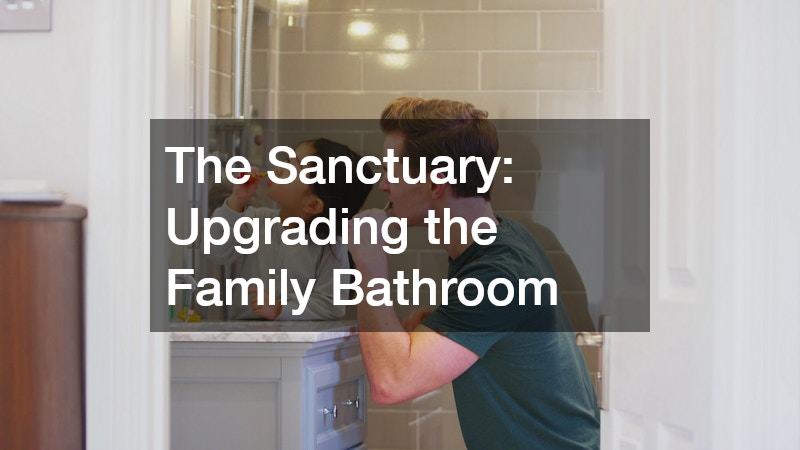
The family bathroom is a high-stakes environment. In the morning, it is a bustling station where multiple people are trying to get ready at once. In the evening, it should ideally transform into a quiet, spa-like retreat where you can wash away the stresses of the day. Achieving this duality requires a focus on cleanliness, visual openness, and water quality.
One of the quickest ways to make a bathroom look dated, dark, and cramped is a plastic or fabric shower curtain. Curtains cut the room in half visually, making a standard bathroom feel claustrophobic, and they easily collect mold, mildew, and soap scum along the bottom hem.
- Open Up the Visual Space: Replacing a curtain with clear glass instantly expands the room by allowing the eye to travel all the way to the back wall of the shower enclosure.
- Choose Modern Enclosures: Investing in professional shower door installations completely changes the dynamic of the bathroom. Modern frameless or semi-frameless glass installations allow light to flood the entire space, highlighting your tile work and giving the room a clean, upscale aesthetic.
- Reduce Cleaning Friction: Opt for glass treated with a hydrophobic coating. This repels water droplets and prevents the buildup of hard water spots, meaning you spend less time scrubbing with harsh chemicals and more time enjoying your space.
Beyond the visual elements, true physical comfort in a bathroom—and across the entire home—is heavily dependent on the quality of the water running through your pipes. Many geographic areas suffer from municipal or well water that is loaded with harsh minerals, iron, or chlorine.
- Identify the Symptoms: If you notice white, chalky scale buildup on your expensive new showerheads, or if your family complains of chronically dry skin, brittle hair, and laundry that feels stiff, you are likely dealing with hard water.
- Address the Source: Reaching out to professional water filtration services to test your supply and install a targeted treatment or softening system is a transformative upgrade. Not only will your showers feel immensely more luxurious, but you will also extend the lifespan of your plumbing, eliminate unsightly toilet rings, and enjoy crisp, clean drinking water straight from every faucet in the house.
Fresh Walls and Fluid Transitions
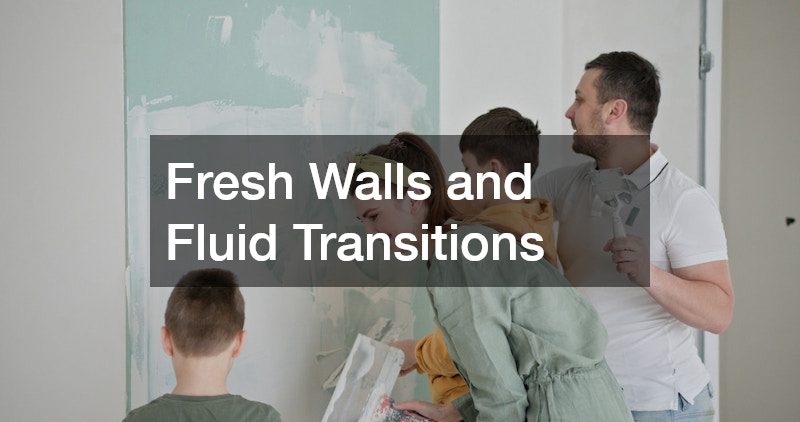
When it comes to pure return on investment, few projects can compete with a fresh coat of paint and an improved physical connection to the outdoors. These two upgrades work in tandem to alter the perception of your home’s footprint, making it feel much larger, brighter, and more cohesive.
Paint is a design superpower. It has the ability to make a small room feel expansive, a cold room feel cozy, and a messy space feel clean and organized. However, a sloppy paint job with visible brush strokes, uneven edges, and drips on the baseboards can actually make a home look worse.
- Master Color Psychology: Use soft, light neutrals like warm grays, alabasters, or muted sages to maximize light reflection in smaller rooms. If you want to add drama, restrict deep, moody colors to a single accent wall or a dedicated space like a study or powder room.
- Select the Correct Sheen: For busy families, sheen matters just as much as color. High-traffic hallways and children’s bedrooms require satin or semi-gloss finishes that can be easily wiped clean of fingerprints and scuff marks, whereas ceilings should always be painted in a flat finish to hide surface imperfections.
- Trust the Experts for High-Impact Zones: While painting a small bedroom is a manageable weekend DIY task, tackling major spaces like vaulted living rooms, entryways, or exterior trim is best left to a professional painting service. Experts have the specialized scaffolding, prep techniques, and commercial sprayers required to deliver flawless, crisp lines that elevate the entire home’s appearance.
Once your interior walls are refreshed, turn your attention to how your home interacts with the exterior environment. If your living room or kitchen opens up to a backyard patio or deck, that transition should be as seamless as possible to encourage an indoor-outdoor lifestyle.
- Eliminate Architectural Barriers: Old, sticky wood doors or heavy swinging doors interrupt the flow of traffic and eat up valuable floor space.
- Optimize the Transition: By working with an established sliding glass door manufacturer, you can acquire an expansive, energy-efficient glass wall system that glides open with the push of a finger. These modern door systems utilize advanced thermal breaks and low-emissivity glass, meaning they keep your indoor climate perfectly controlled during winter blizzards and summer heatwaves while providing a beautiful, unobstructed panoramic view of your backyard.
Curb Appeal and Lower Level Freedom

The journey toward a comfortable and beautiful home does not stop at the main living floor. To truly maximize your property’s potential, you must consider the initial impression your home makes from the street, as well as the unused square footage hiding right beneath your feet.
Curb appeal is your home’s handshake with the world. It sets the expectations for what lies inside and directly impacts your property’s resale value. While painting the front door and installing modern house numbers are great initial steps, landscaping is what provides real structural beauty.
- Invest in Living Architecture: Planting small flowers provides temporary color, but it does nothing to alter the architectural profile of your yard.
- Create Privacy and Shade: Arranging for a professional tree installation can completely redefine your property line. Placing fast-growing shade trees or structural evergreens in strategic spots provides natural privacy from nosy neighbors, creates a windbreak, blocks unsightly views, and creates beautiful focal points that mature gracefully over the years.
Finally, look down. Many growing families feel cramped and believe their only option is to buy a larger house or build an expensive home extension. However, the solution often lies in the basement, which is frequently relegated to a dark, dusty storage zone for holiday decorations and old fitness equipment.
- Unlock Underutilized Square Footage: Turning a basement into a functional family media room, a quiet home office, or an extra bedroom is an incredibly smart way to expand your usable space on a budget.
- Prioritize Safety and Natural Light: The primary obstacle to a comfortable basement is a lack of light and emergency access. Excavating a portion of the exterior foundation to install a large, code-compliant egress window completely transforms a subterranean room. It allows natural sunlight to pour into the space, completely erasing the dreary “dungeon” vibe, while providing a safe, legal emergency exit path that adds official square footage and immense value to your home.
Creating a home that fulfills your aesthetic desires while supporting your family’s daily comfort does not require a blank check or a disruptive architectural overhaul. As we have explored, the most effective strategy is to focus on targeted, impactful upgrades that solve specific functional problems while injecting style into your daily routine.
Whether you choose to breathe new life into your kitchen surfaces, improve your home’s water health, maximize your living room’s natural light, or unlock the hidden potential of your basement, these deliberate improvements create a powerful compound effect. Bit by bit, your property transforms from a generic structure into a custom-tailored sanctuary that meets your family’s exact needs. Do not let the scale of a whole house intimidate you; pick one project that resonates with your immediate needs, take that first step, and enjoy the process of turning your house into the ultimate home.