
A backyard can be more than just extra space behind your home. For many families, it becomes a place where kids play, meals are shared, and memories are made. Creating a space that supports all of that takes planning, effort, and a clear understanding of what your family needs most. Some improvements can be handled with basic tools and a bit of time, while others benefit from experienced help.
This guide walks through how to approach a backyard makeover in a way that feels manageable and rewarding. It focuses on practical steps, safety, and long-term value so families can build a space they enjoy using every day.
Assess Your Backyard Space With Safety and Function in Mind
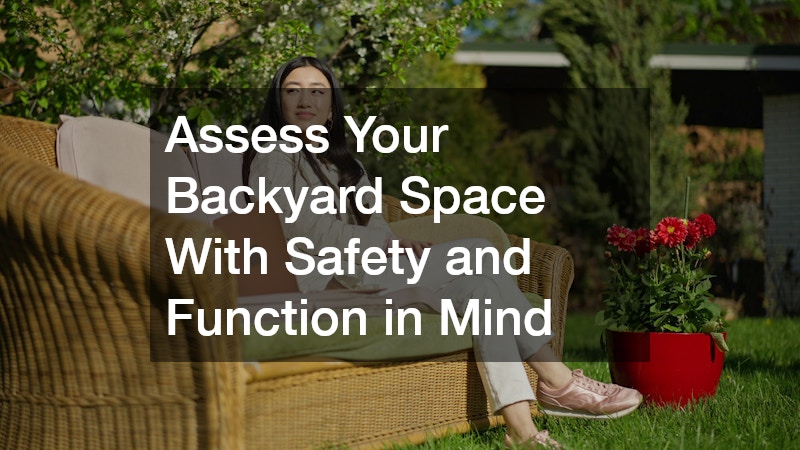
Before making changes, it helps to take a close look at what you already have. A careful assessment saves time and prevents unnecessary work later. Walk through your yard and note areas that feel uneven, cluttered, or unsafe for children.
Start by checking the overall layout. Look at how water drains after rain, where sunlight hits throughout the day, and how different parts of the yard are currently used. These details shape what improvements will work best.
Some projects may require guidance from a construction contractor, especially if you are dealing with grading issues, structural concerns, or major layout changes. They can help identify risks that are not always obvious at first glance.
When evaluating what you can handle on your own, consider the tools involved. Basic construction equipment, such as shovels, wheelbarrows, and levels, is manageable for most homeowners. Larger or specialized equipment may require training or rental support, which is worth considering before starting.
Helpful assessment checklist:
- Check for uneven ground or tripping hazards
- Look for damaged surfaces or worn pathways
- Identify areas with poor drainage
- Note any aging structures that may need repair
- Observe how your family currently uses the space
Taking the time to assess your yard thoroughly gives you a clear starting point and helps you prioritize improvements that matter most.
Start Smart by Clearing and Prepping the Area
A clean, open workspace makes every project easier. Many backyards accumulate unused items, broken furniture, and natural debris over time. Clearing these out is the first step toward creating a usable space.
For small cleanups, you can manage with regular trash collection and a few yard waste bags. Larger projects often benefit from a dumpster rental, especially if you are removing old decking, fencing, or large amounts of brush.
As you clear the area, sort items into categories. Decide what can be reused, recycled, or discarded. This keeps the process organized and prevents unnecessary waste.
Steps to prepare your yard:
- Remove broken or unused outdoor furniture
- Clear fallen branches, leaves, and overgrowth
- Pull out weeds and unwanted plants
- Set aside materials that can be reused
- Sweep or rinse hard surfaces
Safety is important during this stage. Wear gloves, closed-toe shoes, and protective eyewear when handling debris. If you are dealing with heavy materials or sharp objects, take your time and ask for help when needed.
A well-prepped yard makes it easier to visualize your plans and move forward with confidence.
Create Defined Spaces for Play, Relaxation, and Gathering
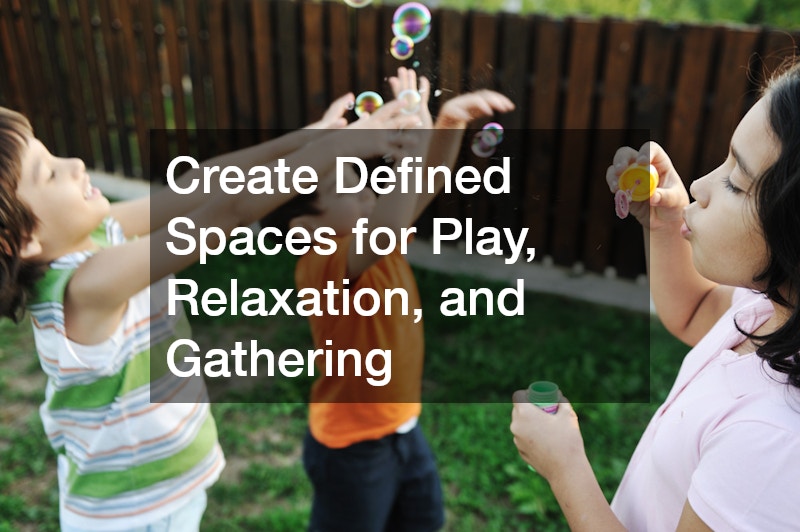
A backyard that serves multiple purposes works best when each area has a clear role. Dividing your space into zones helps keep things organized and makes it easier for everyone to enjoy the yard at the same time.
Think about how your family spends time outdoors. You may want a play area for kids, a seating space for relaxing, and a spot for meals or gatherings. Once you identify these needs, you can begin shaping each zone.
Adding boundaries can improve both safety and comfort. A fencing service can help create secure areas for children and pets while also adding privacy. This is especially helpful for families who live close to neighbors or near busy streets.
If you prefer a hands-on approach, there are simple ways to define your own spaces.
Ideas for creating zones:
- Use outdoor rugs or pavers to mark seating areas
- Install low borders or garden beds to separate spaces
- Arrange furniture to guide movement through the yard
- Add shade structures for comfort during warm days
When choosing materials, focus on durability and ease of maintenance. Surfaces should be safe for children to run and play on, and furniture should withstand regular use.
A well-organized yard feels more inviting and makes it easier for families to spend time together outdoors.
Upgrade Walkways and Driveways for Safety and Durability
Paths and driveways play a big role in how your yard functions. Cracked or uneven surfaces can pose safety concerns, especially for children running or riding bikes. Improving these areas adds both value and peace of mind.
Start by inspecting existing surfaces. Look for cracks, loose stones, or areas where water collects. Small repairs can often be handled on your own, while larger issues may require help from a local paving contractor.
They can provide solutions that last longer and handle heavier use. This is helpful for driveways or high-traffic walkways where durability matters.
Driveway sealing is another step that helps protect surfaces from weather damage and wear. It creates a smoother finish and extends the life of your driveway.
Tips for improving walkways and driveways:
- Fill small cracks before they expand
- Level uneven sections to prevent trips
- Choose slip-resistant materials
- Keep surfaces clean and free of debris
- Reseal surfaces as needed to maintain durability
These upgrades not only improve safety but also make your yard look more polished and well cared for.
Keep Trees Healthy and Safe for Kids and Pets
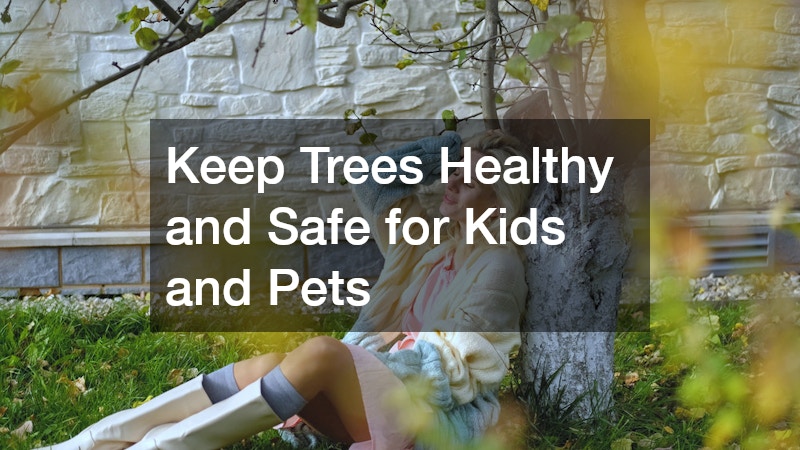
Trees bring shade, beauty, and a sense of calm to any backyard. They also require attention to stay safe and healthy, especially in spaces where children and pets spend time. Overgrown branches, weak limbs, or diseased trees can become hazards if left unchecked.
Start by observing the condition of your trees. Look for signs such as dead branches, leaning trunks, or cracks in the bark. These issues can indicate structural weakness. When concerns go beyond basic care, it is wise to consult an arborist to assess your trees’ health and recommend next steps.
There are also simple tasks families can handle on their own to keep trees in good shape.
Basic tree care tips:
- Trim small branches that hang too low
- Remove dead or fallen limbs regularly
- Water young trees during dry periods
- Add mulch around the base to retain moisture
- Keep play areas clear of heavy overhangs
Seasonal care also makes a difference. Spring and early fall are ideal times to inspect trees and address minor issues before they grow into larger problems.
Keeping trees well-maintained creates a safer environment and helps your yard feel more welcoming year-round.
Address Unwanted Wildlife Before It Becomes a Problem
Backyards often attract animals looking for food, shelter, or water. While some wildlife can be harmless, others may create risks for families. Small animals can damage plants, while larger ones may pose safety concerns.
Prevention starts with awareness. Look for signs such as burrows, droppings, or chewed materials. These clues can help you identify what type of animal may be visiting your yard.
Simple steps can reduce the chances of wildlife becoming an issue.
Ways to discourage unwanted animals:
- Secure trash bins with tight-fitting lids
- Remove food sources such as fallen fruit
- Seal gaps under decks or sheds
- Keep grass trimmed and shrubs tidy
- Install motion lights to deter nighttime activity
If the problem persists or involves larger animals, a wildlife control service can provide safe, effective solutions. They are trained to handle situations in a way that protects both your family and the animals involved.
Maintaining a clean, organized yard goes a long way toward preventing unwanted visitors and keeping your outdoor space comfortable.
Inspect and Maintain Your Roofline From the Outside In
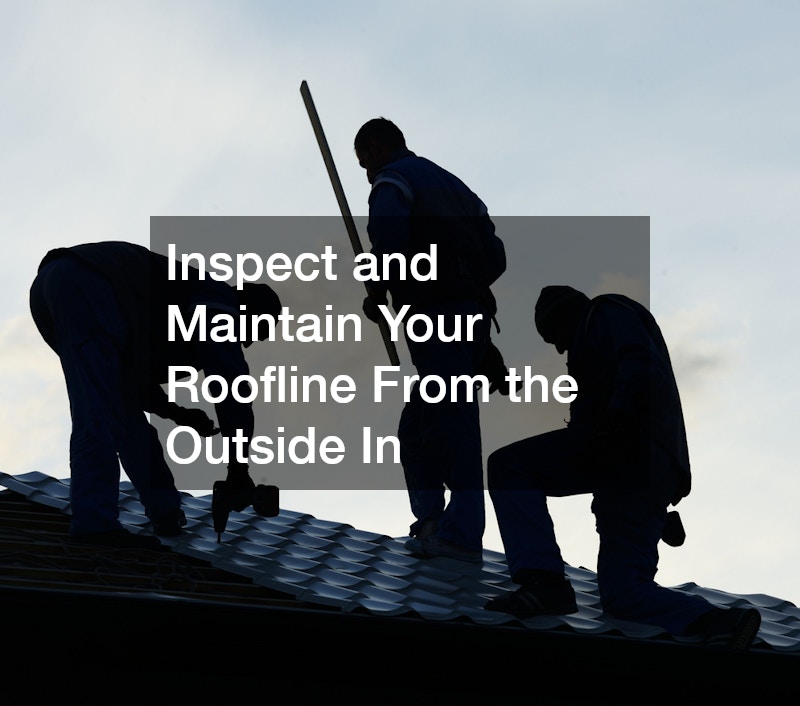
Your roof may not be the first thing that comes to mind during a backyard makeover, but it plays an important role in how your outdoor space functions. Water runoff, falling debris, and structural issues can all affect the safety of your yard.
Begin with a visual inspection from the ground. Look for missing shingles, sagging areas, or debris collecting in gutters. These signs may point to the need for attention.
When repairs are necessary, local roof repair services can address issues before they lead to larger problems. For more extensive work, professional roofers have the tools and experience to handle the job safely.
Simple maintenance steps:
- Clean gutters to ensure proper drainage
- Remove branches that hang over the roof
- Check for visible damage after storms
- Monitor areas where water pools near the foundation
Taking care of your roof supports the overall health of your home and helps prevent issues that could impact your backyard space.
Plan a Realistic Timeline and Budget for Family Projects
A successful backyard makeover depends on good planning. Setting a clear timeline and budget helps keep the project on track and reduces stress along the way.
Start by listing all the improvements you want to make. Break them into smaller tasks and decide which ones should come first. This makes the process feel more manageable and allows you to see steady progress.
For larger projects, working with a construction contractor can help you create a realistic schedule. They can also provide insight into costs and help you avoid delays.
Budgeting should include both materials and services. It is helpful to set aside extra funds for unexpected expenses, such as additional cleanup or repairs. In some cases, a dumpster rental may be needed again if your project expands beyond the original plan.
Tips for staying on track:
- Prioritize projects based on safety and function
- Set clear deadlines for each phase
- Track expenses as you go
- Allow time for weather-related delays
- Communicate with any professionals involved
Careful planning makes the process smoother and helps ensure that your backyard transformation meets your expectations.
Choose Kid-Friendly Materials That Last

When designing a backyard for family use, the materials you choose matter just as much as the layout. Surfaces, finishes, and structures should be durable enough to handle daily activity while remaining safe for children and pets.
Start by focusing on high-traffic areas. Spaces where kids run, play, and gather should have materials that provide good traction and are easy to maintain. Smooth but slip-resistant finishes help reduce the chance of falls, especially after rain or watering.
If you are installing or updating barriers, working with a fencing service can help ensure the design is both secure and long-lasting. Professionals can recommend materials that withstand the weather while keeping the space safe for children and pets.
Driveways and hard surfaces also benefit from proper care. Applying driveway sealing products helps protect against cracks, stains, and wear from regular use. This not only improves appearance but also extends the surface’s lifespan.
Material ideas for family-friendly yards:
- Composite decking that resists splinters and fading
- Rubber or foam-based play surfaces for added cushioning
- Treated wood or vinyl for long-lasting fencing
- Stone or concrete pavers with textured finishes
- Non-toxic sealants and coatings for added protection
It is also important to think about maintenance. Materials that require minimal upkeep allow families to spend more time enjoying the space rather than constantly repairing it. Easy-to-clean surfaces and weather-resistant finishes help keep the yard looking its best with less effort.
Taking the time to choose the right materials creates a safer and more comfortable environment that holds up well over time.
Make the Space Enjoyable With Finishing Touches
Once the major work is complete, the final details bring everything together. These finishing touches turn a functional yard into a space where families want to spend time every day.
Start by adding elements that improve comfort. Shade structures, seating, and lighting can make a big difference in how the space feels. Trees and plants also play an important role. An arborist can help you select and place greenery that provides shade while remaining safe and easy to maintain.
Keeping the yard comfortable also means managing pests and other disruptions. If unwanted animals become a recurring issue, a wildlife control service can help maintain a balanced environment so your family can enjoy the space without concern.
Simple ways to enhance your backyard:
- Add outdoor seating with weather-resistant cushions
- Install soft lighting for evenings and gatherings
- Create a small garden or planting area for family activities
- Use decorative elements such as planters or pathways
- Include storage solutions to keep the space organized
You can also personalize the space based on your family’s interests. Some families enjoy adding a small play structure, while others prefer a quiet reading corner or an outdoor dining area. These details make the yard feel like an extension of your home.
The goal is to create a space that feels inviting and easy to use. Small improvements often have a big impact when they are chosen with care.
Bringing Your Family Backyard Vision to Life

A backyard makeover does not have to feel overwhelming. With thoughtful planning and a steady approach, families can create an outdoor space that supports both everyday life and special moments. Taking the time to assess your needs, prepare the area, and make smart improvements leads to lasting results.
Balancing hands-on projects with professional support allows you to move forward with confidence. Each step, from clearing the space to adding final details, contributes to a yard that feels safe, functional, and enjoyable.
In the end, the value of a well-designed backyard goes beyond appearance. It becomes a place where families can relax, connect, and build memories together for years to come.