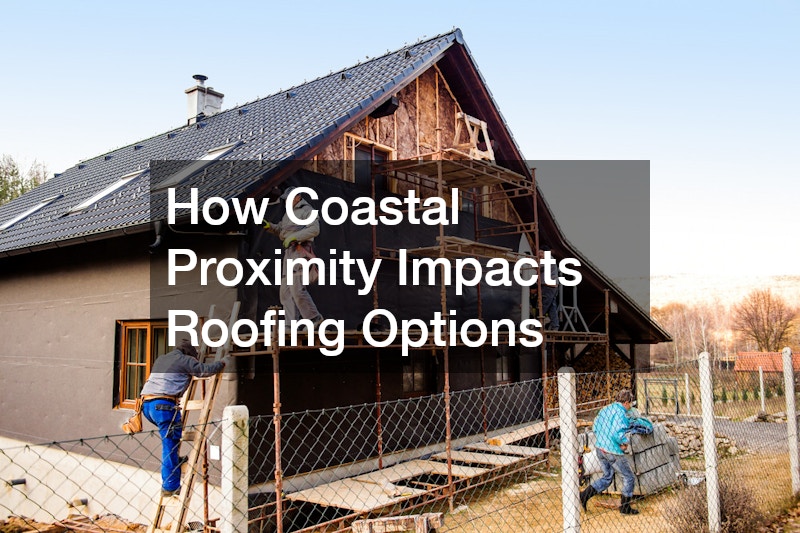
Explore how location dramatically impacts the decisions you make regarding your roof. From climate considerations to local materials, your geographical region plays a critical role in shaping the ideal roof for your home. Roofers help homeowners to recognize the environmental factors that influence roof choice helps homeowners make informed decisions, emphasizing sustainability and cost-effectiveness. Each geographical area presents unique challenges and opportunities, influencing the choice of roofing materials and designs.
Your roof, therefore, is not just a sheltering structure but a reflection of local conditions and practical considerations, driven by nature and community. Understanding these dynamics ensures that your roofing solution aligns perfectly with your location’s demands.
Best Roofing Materials for Different Climates
Understanding the correlation between climatic conditions and suitable roofing materials is crucial for making informed decisions. In warmer, sunnier climates, reflective and light-colored roofing materials such as metal roofs or cool roofs are often preferred as they deflect sunlight and help reduce cooling costs. On the other hand, regions experiencing heavy rainfall or snow loads benefit from materials like slate or shingles, which offer durability and resistance against the harsh elements. Furthermore, homes in areas prone to wildfires require roofing materials treated to be fire-resistant, ensuring safety and compliance with fire safety standards. Choosing the right material is often a balancing act between aesthetic appeal, functionality, and longevity, tailored to the local environmental demands.
Each climatic zone necessitates distinct roofing attributes, shaping the building’s resilience and energy efficiency. Coastal regions, for instance, can impact roof choice through exposure to corrosive salt air, necessitating materials like concrete tile or specially treated metal that resist corrosion and weathering. In contrast, desert areas with high thermal variation need roofing that withstands intense heat and rapid cooling cycles without degrading. Selecting the optimal roofing material also involves considering insulation properties, which can significantly impact indoor comfort levels and energy consumption. As a result, the chosen roofing material should enhance not just the exterior protection but also bolster the overall efficiency and harmony of the home with its natural surroundings.
How Building Codes and Regulations Shape Roofing Choices
Navigating local building regulations and codes is essential to ensure compliance and durability in your roofing solutions. Building codes vary significantly across regions due to different environmental challenges and safety standards, impacting the selection of roofing materials and construction techniques. In hurricane-prone areas, for example, building codes may require roofs to withstand high wind speeds and impact resistance, necessitating the use of specific, robust materials and installation practices. Similarly, areas with heavy snowfall may enforce steep inclines and additional structural support to prevent roof collapse under weight. Navigating these legal requirements not only ensures safety and structural integrity but also influences design decisions, providing a blueprint for suitable, legal roofing development.
Compliance with building codes often involves cooperation with qualified contractors and architects who understand the intricacies of local regulations. These professionals provide valuable insights into permissible materials and design specifications, guiding homeowners through the approval process smoothly. Failure to adhere to local building standards can result in penalties, increased costs, or mandatory reconstruction, highlighting the importance of early understanding and integration of codes into the planning process. Furthermore, environmental regulations may demand sustainable building practices, prompting the consideration of renewable or recycled roofing materials in construction. Ultimately, abiding by local building codes is not just a legal requirement but a critical component of responsible home ownership, ensuring security, compliance, and long-term viability.
How Coastal Proximity Impacts Roofing Options
Explore the unique challenges and considerations for selecting roofing materials and designs in coastal regions. Coastal environments are characterized by high humidity, frequent storms, and salt-laden air, which can severely corrode traditional roofing materials unless properly treated or selected. For example, metal roofs require special coatings to resist rust and corrosion from salt exposure, while materials like asphalt may degrade more rapidly in such conditions. The risk of wind damage from tropical storms and hurricanes also necessitates durable roofing designs, emphasizing secure fastening systems and reinforced materials to prevent uplift and dispersal. Furthermore, the aesthetic and cultural influences of coastal architecture often favor specific colors and design motifs, reflecting not only functional but also stylistic integrations with the seaside ambiance.
Sustainability also plays a significant role in coastal roofing choices, with many communities promoting the use of eco-friendly materials to protect local ecosystems. Recycled metal, sustainably harvested wood, and ceramic roofs are popular choices due to their minimal environmental impact and recyclability. These materials effectively combine durability with ecological responsibility, ensuring that homes are resisting the elements without contributing to pollution or resource depletion. As a countermeasure to the intense UV radiation in coastal regions, reflective roofing materials have gained popularity to reduce heat absorption and enhance energy efficiency. Emphasizing eco-friendly roofing solutions meets both legislative requirements and personal sustainability goals, supporting environmental preservation while delivering long-lasting roofing solutions.